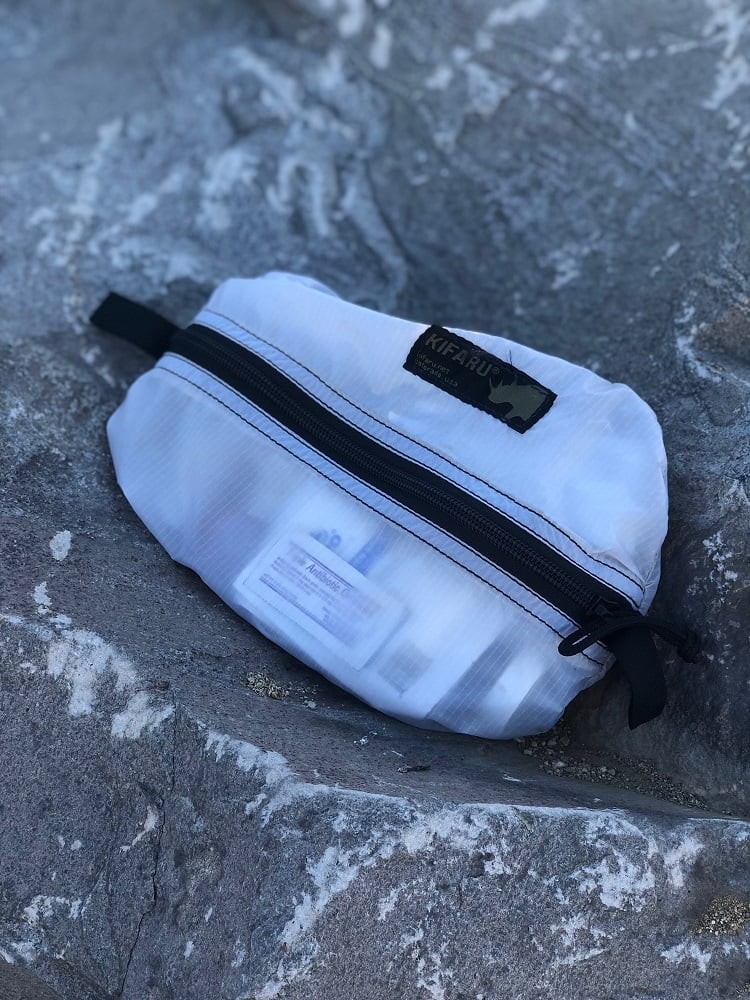
Travis, I too would carry multiple ways to make a fire over a tourniquet!
Not that tourniquets aren't cool and can be quite effective, but I would do this because the odds that you are going to die in the backcountry from overwhelming blood loss are slim to none, where at least the odds of dying from hypothermia are actually measurable.
Anyone who wants to carry a tourniquet on their person for every hunt, regardless of the type or length of hunt, then more power to them, but for those who wish to review the literature/statistics and apply the same lightweight principles to their first aid kit that they do to everything else, then I think a reasonable case could be made for possibly leaving a tourniquet in the vehicle, at least for the non-tacticool folks.
I think part of the reason for this, which non-medical folks may not realize, is that your main arteries in your body happen to be in pretty protected locations, and unlike in battle, people walking around the woods are generally not trying to knife or shoot you. So in all likelihood, you are most likely to really need the knowledge of a hemorrhage control class when you are at home and not in the woods.
Since falls, getting lost, drowning, heart attack, avalanche/rock slide, hypothermia, & dehydration/heat stroke are by far and away some of the leading causes of backcountry death regardless of what medical kit you have along, then it would seem that planning appropriately would mean having the following items on hand maybe before contemplating the tourniquet...
a good GPS, trekking poles, a good head lamp or two, water wings if appropriate or at least a knowledge of river safety, aspirin, knowledge of avalanche conditions, a healthy fear of heights, good set of warm clothing/sleeping bag and fire starting kit, and water storage/purification abilities.