



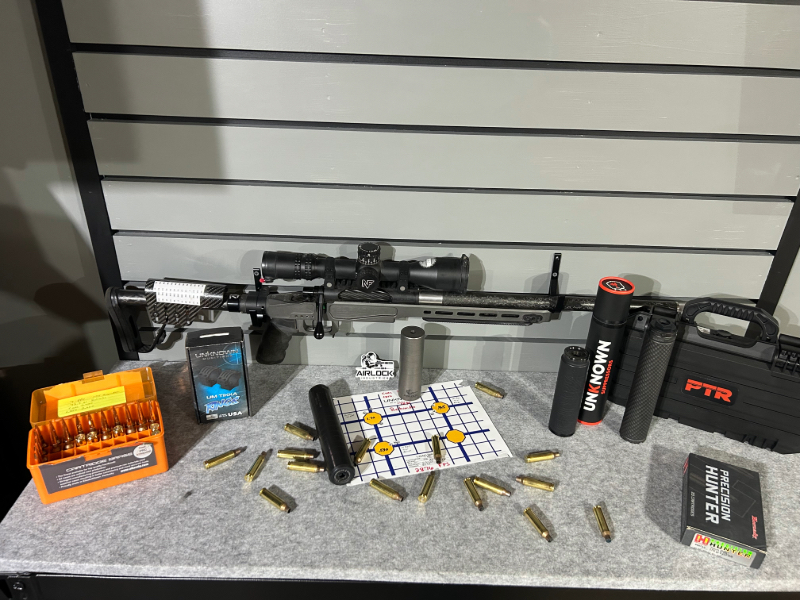
With the rapidly developing advancements in the sound suppression world, it was time to look at some of the newest offerings. The five selected suppressors for review were all made of titanium, and four of the five were 3D printed.
Given these advancements, and being weeks into the now zero tax stamp fee, there is no better time to be a suppressor owner.
Here Is The Suppressor Lineup
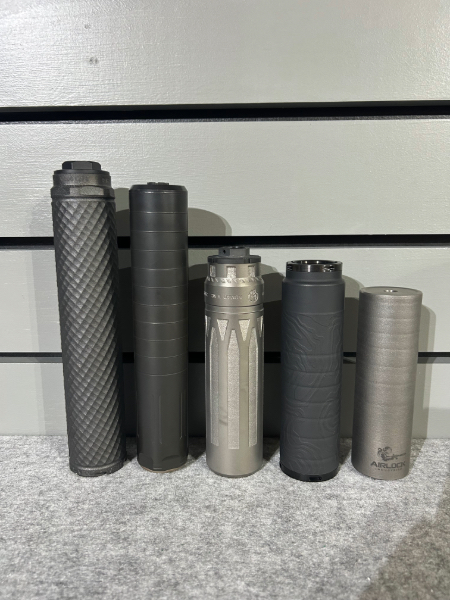
Listed left to right, longest to shortest. All weights shown are on my scale.
PTR Vent 1-length 8.74”, 1.75” diameter, 30 cal, 15.8oz, $1299
Diligent Defense Enticer Lti-length 8.25”, 1.625” diameter, 30 cal, 10.4oz $765
Dead Air Nomad Ti-XC-6.74” length, 1.76” diameter, 30 cal, 9.3oz, $999
Unknown Suppressors Reaper-length 6”, 1.8” diameter, 30 cal, 8.7oz, $999
Airlock Industries Zero Gravity-length 5.5”, 1.7” diameter, 7mm, 6.4oz, $925
An old timer buddy of mine always used to say, “The rising tide lifts all ships”, and that surely fits the technology improvements that 3D printing is making possible. As consumers and end users of suppressors, we are beneficiaries of the phrase “competition breeds success”. Specifically, for backcountry hunters who obsess over gear weight, this is where the combination of titanium and 3D printing shines.
These are the specifics measured and scored
- First round pop
- tone
- point of impact shift
- mirage
- sound suppression
- weight & size
- availability & cost
- balance
- durability
- warranty
- shot signature
- blind test performed behind the shooter and down range
- and “APE”.
What is APE? When you have an Army sniper, Navy SEAL, and Marine sniper as part of the crew conducting the testing, acronyms are going to be thrown around like spent brass. This proprietary and 100% made up term stands for “audibly perceived effect,” which simply means which can sounded the best regarding suppression and tone.
Given the above parameters, it is clear that the findings can be individual-based and subjective. However, those of us involved–and many of you– also may be tired of gear reviews that never really declare a “winner” or give rankings. We embrace the truth, good, bad, or ugly.
The winner!
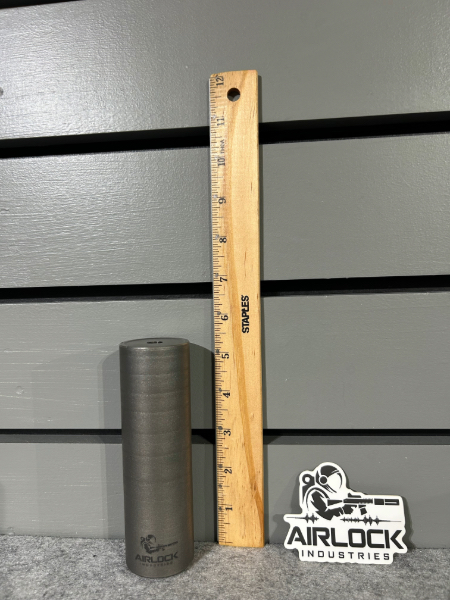
Airlock Industries Zero Gravity
When you are the smallest, lightest, and arguably the quietest can in the group, you’re destined to come out on top. When I spoke with the owner, Danny, at Airlock, I tried my best to pry information out of him on how he was able to make this can so light and quiet. While he wouldn’t give up much, whatever fairy dust he is using is patent-pending and for good reason.
Runner Up
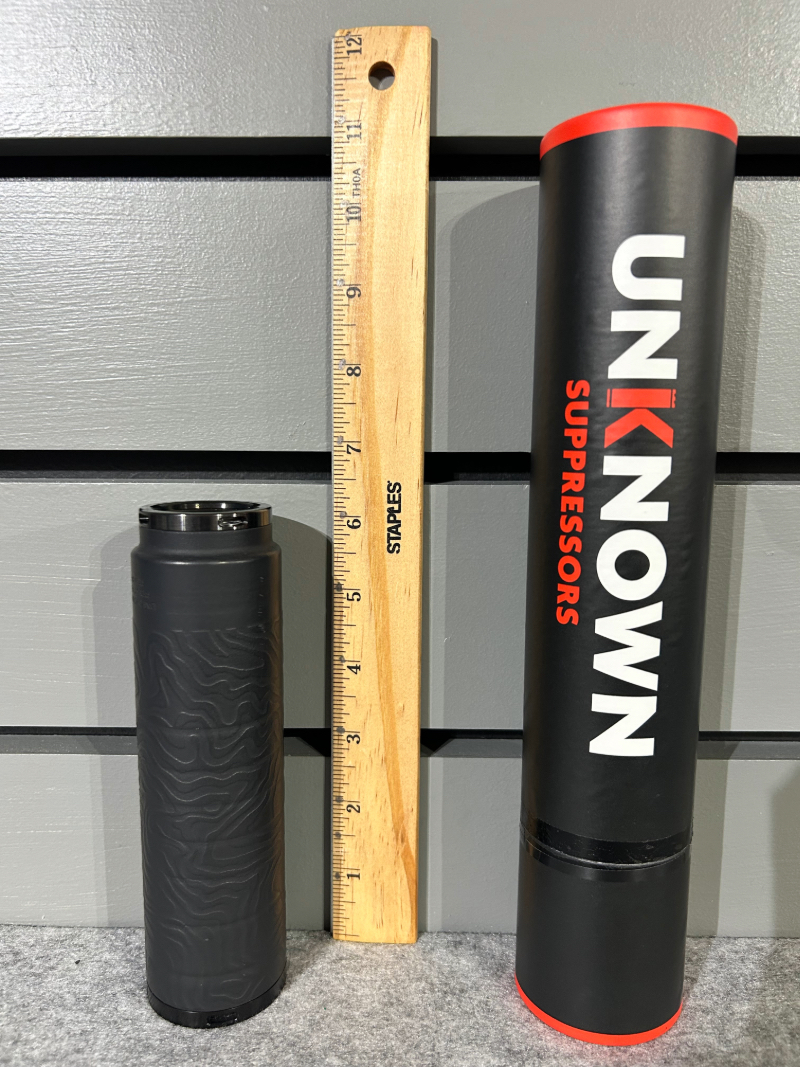
Unknown Suppressors The Reaper
This can was only slightly larger and heavier than the Zero Gravity, and did an excellent job of suppression. For a newer manufacturer in the game, I was impressed by the performance. As I understand it, they have their own in-house 3D printers, and I expect more great things to come out of Idaho and the crew at Unknown Suppressors.
Per our scoring, the next can was the Dead Air Nomad Ti-XC
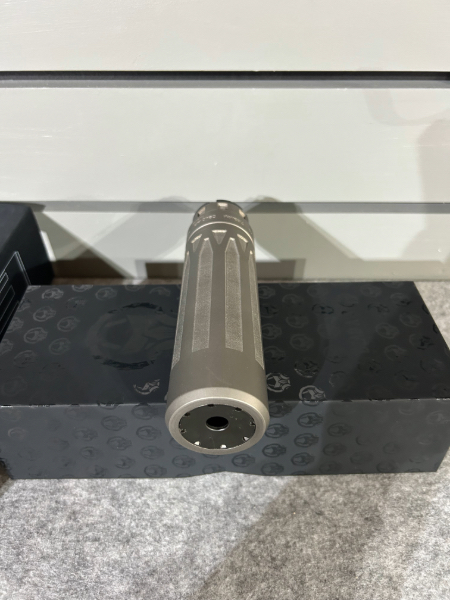
Dead Air Nomad Ti-XC
Continuing in the very important size/weight premise, this can is just a tad larger and heavier than the Reaper, and as far as suppression, almost indistinguishable. This can handles temperature better than the Zero Gravity and Reaper and doesn’t break the bank. You truly can’t go wrong with this choice from Dead Air Silencers.
Numbers 4 and 5
Rounding out the test were the Enticer Lti and the Vent 1. Neither is a slouch by any means! With both being larger, they came out near the top in sound suppression. Given testing parameters were specifically chosen for, and performed by backcountry hunters with the perspective and opinions geared directly to hunting, they only placed here due to size and weight. Our goal was to test parameters that a hunter would weigh heavily in his or her decision before ultimately deciding on a $800-and-up purchase. All this to say, one could test these same 5 cans for several different end usage applications, and come up with very different results.
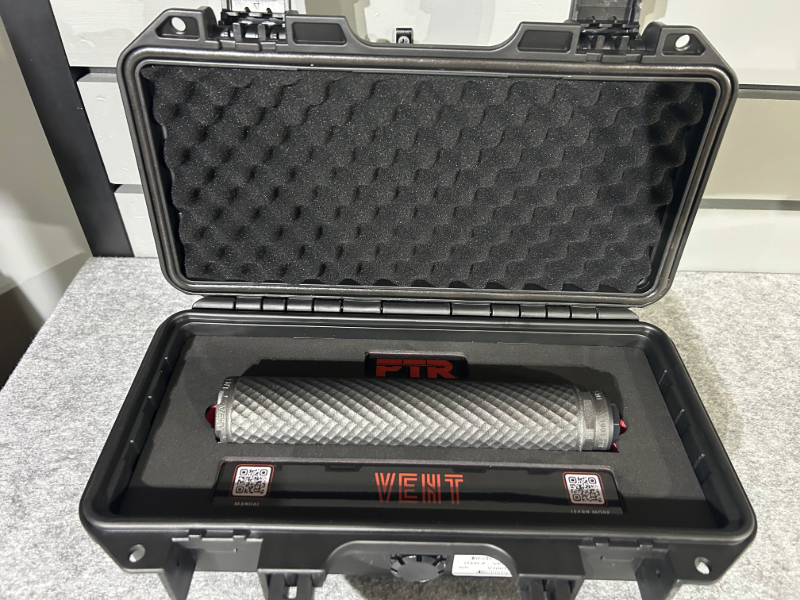
For example, with the time and round count I have behind all five of these cans, my top pick for a shooting competition would be the PTR Vent 1, by a large margin. Its ability to suppress sound is incredible, and mirage is almost nonexistent in most strings of fire. It does not heat up anywhere near as quickly as the Zero Gravity or Reaper.
Burn Down Test
Torture test, aka “burn down”. We did not include this in our testing for several reasons: one, it’s already been done by numerous entities; and, more importantly, as a specific hunting suppressor, we are not shooting high round counts. We limited our shot strings to 6 rounds per minute and took temperatures after each shot. Not surprisingly, the weight and mass were directly related to the rising temperature speeds. The airlock heated up the fastest, and the Vent 1 the slowest.
Durability
It was decided not to rank or score durability during this review. The cadre of shooters agreed that the period was not long enough, nor did we intentionally push the limits of our evaluations. It can be said that at no time was there any indication of durability concerns with any of these suppressors.
Recoil Reduction
No one suppressor stood out for having a noteworthy reduction. While I do think suppressors do reduce felt recoil, it is generally minimal, and not the point of a can, but a welcome secondary.
Tone
This is a real thing. While up to the individual ear, most concluded the differences were noticeable and generally agreed on the descriptions. We had whiplash, a woosh, low pitch, and high pitch. This may be the most subjective category to score, and the ratings given reflect that.
The “Blind” Test
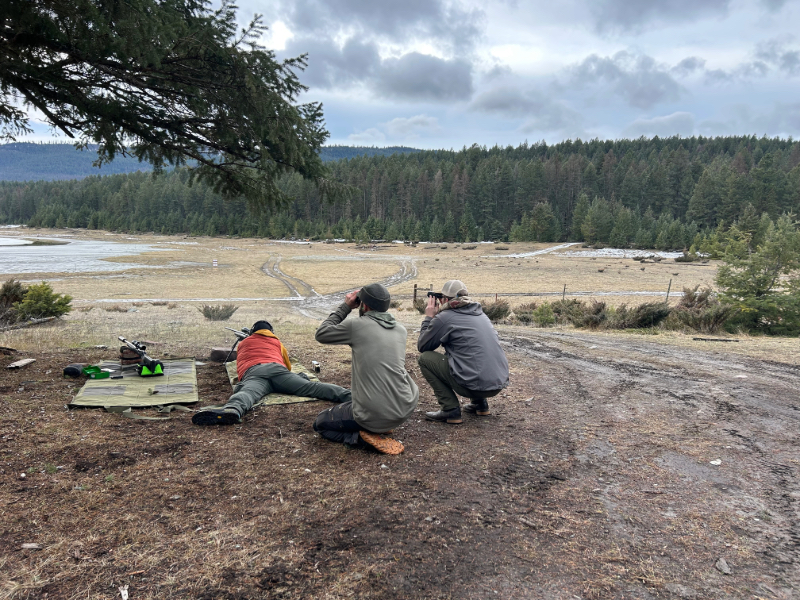
We had five people with no suppressor experience stand behind the firing line and face away. They were to score the suppressed shots and determine which was the quietest. We did the same scoring with the group safely down range and off to the side, approximately 90 yards from the firing line.
Conclusion
All the cans we tested are of good quality and have similar sound suppression. The differences come down to your end use and application. For higher round counts, the heavier, larger suppressor would be my pick; for a hunting rifle I would be carrying all day, the lighter the better.
Click here to see the final score sheet, or join the discussion thread regarding this review.