








The writing is on the wall.
Electro-optics are the future of hunting, especially in the West. Factors such as increased interest in extended-range shooting and digiscoping have accelerated the trend. It should be no surprise that innovations in other optic markets are making their way into the hunting space. Many know optical image stabilization has been a key component of camera lens manufacturing since Canon introduced it in 1995. Fewer realize the first mechanically stabilized binocular came earlier, with Zeiss’ introduction of the 20X60S way back in prehistoric 1990.
Other stabilized models from Fujinon, Canon, and others followed, but never really took off with the hunting crowd due to bulk, weight, and power source concerns, primarily.
The newest iteration of stabilized sport optics are addressing these concerns, and are gaining traction with hunters in the field. Earlier this year, I tested Sig Sauer’s stabilized spotting scope here, and found stabilization is more useful, in practice, than I expected, although the Oscar 6 had some compromises that prevented it from a full recommendation. Now we have the first of the “Big 3” European manufacturers putting their stabilized spotting scopes on the market.
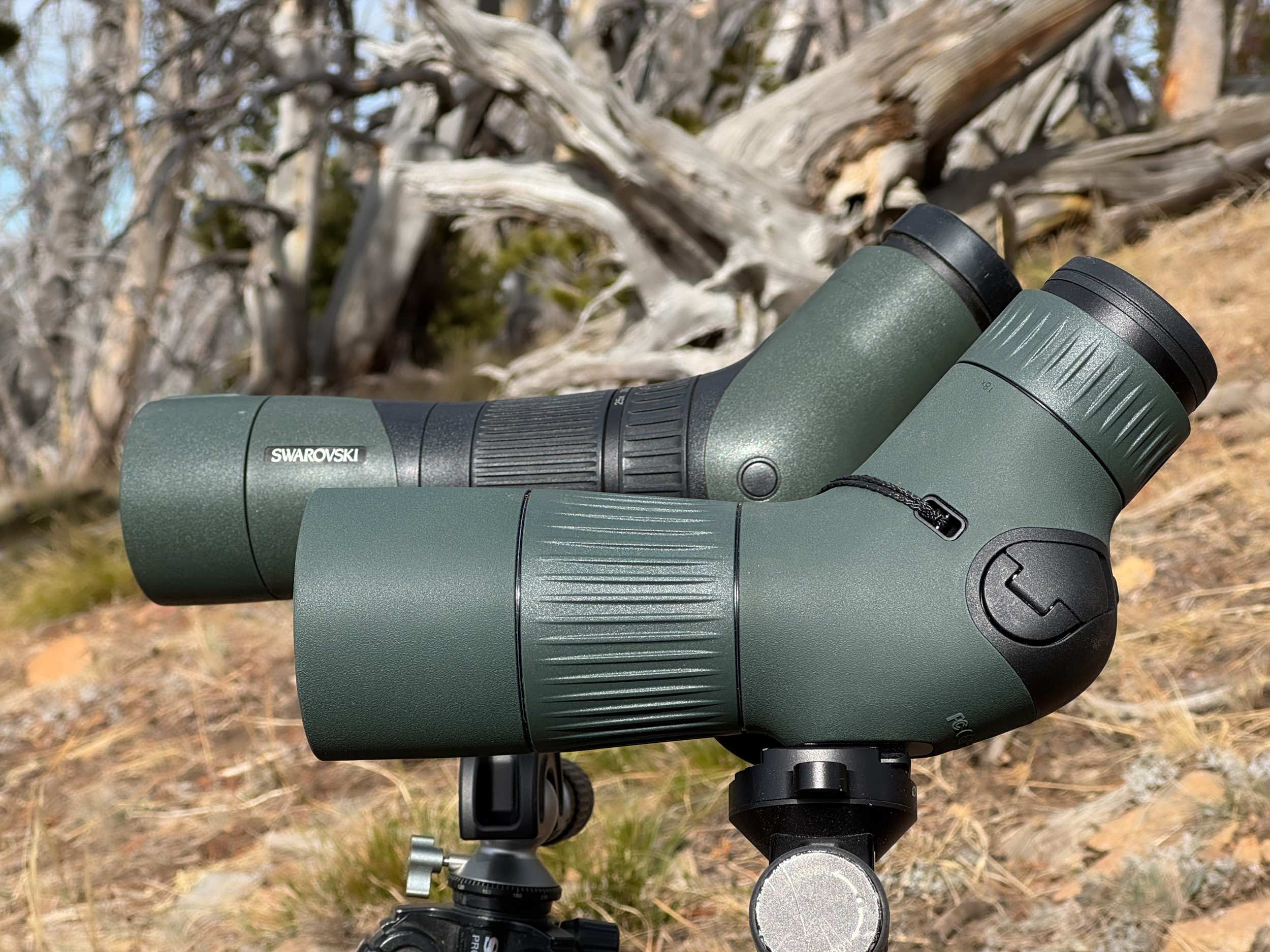
Swarovski has actually introduced two spotting scope models, Balance ST and Balance AT. They differ more than just straight vs. angled, however. They are completely different optics with the straight model having a magnification range of 14-35 and a 50mm objective while the angled model has a magnification range of 18-45 and a 65mm objective. I have the 18-45X65 AT model for testing, and this review is for that model only.
Why a Stabilized Spotting Scope?
When first testing a stabilized spotter, I had the same questions and concerns as most western hunters.
Is this a gimmick?
Is it worth the cost?
What do I give up?
I will address these questions in detail through the course of the review, but I will save the suspense:
Stabilization is a genuinely useful feature for hunters using a spotting scope in the field.
The hunter gives up some flexibility in available objective sizes and magnification.
The cost is comparable to that of similar-quality non-stabilized spotters.
It’s time to dive in
Swarovski AT Balance Features
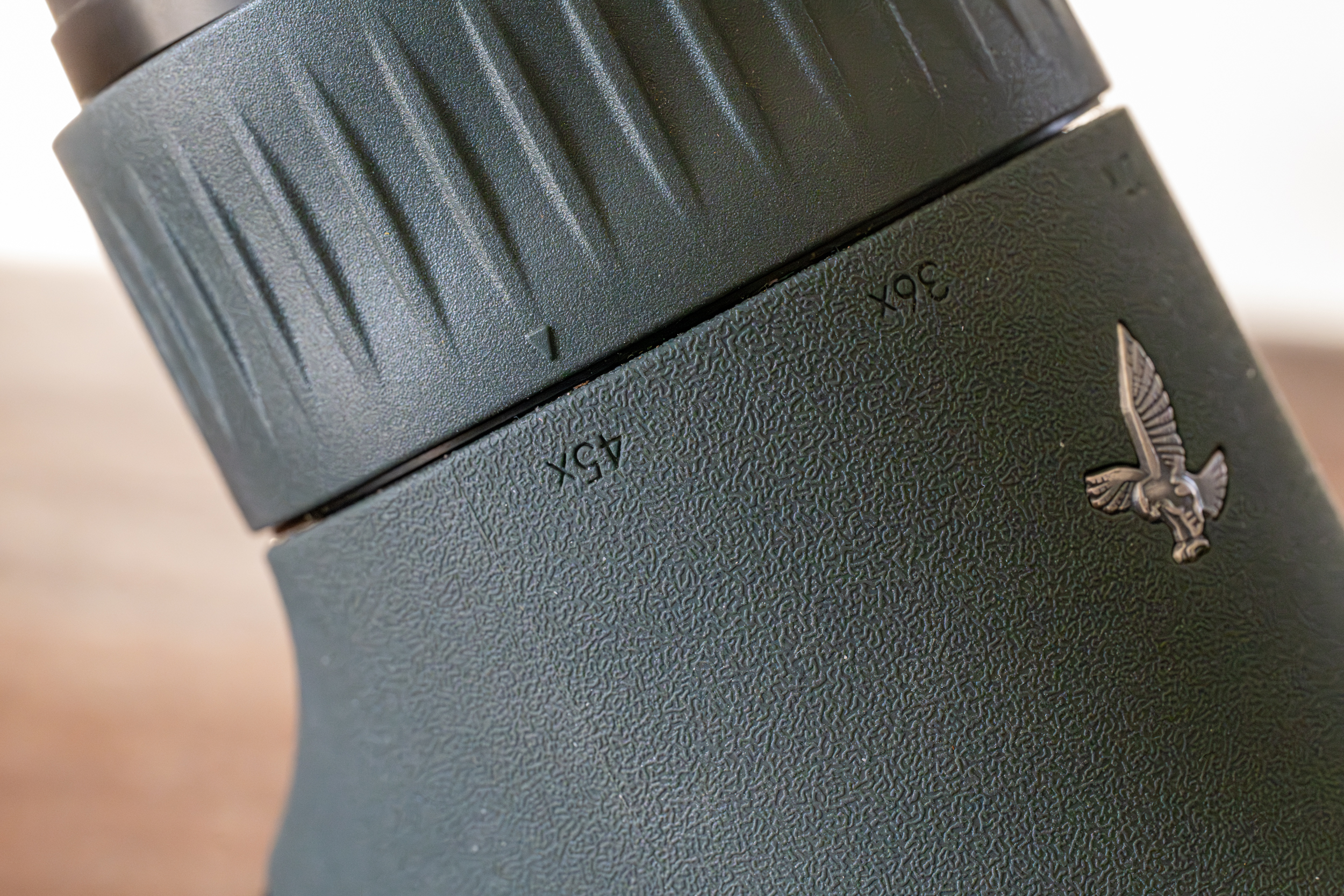
Unlike the Sig Oscar 6, the Swarovski does not allow for the use of accessory eyepieces. The hunter is restricted to an 18-45X magnification range. The eyepiece looks similar to the ATX eyepiece module from the non-stabilized spotter line. Swarovski advertises that they incorporate the ATX technology into these new Balance spotters. Like the ATX line, the AT Balance has a wide FOV at 165-90 ft. at 1000 yards.
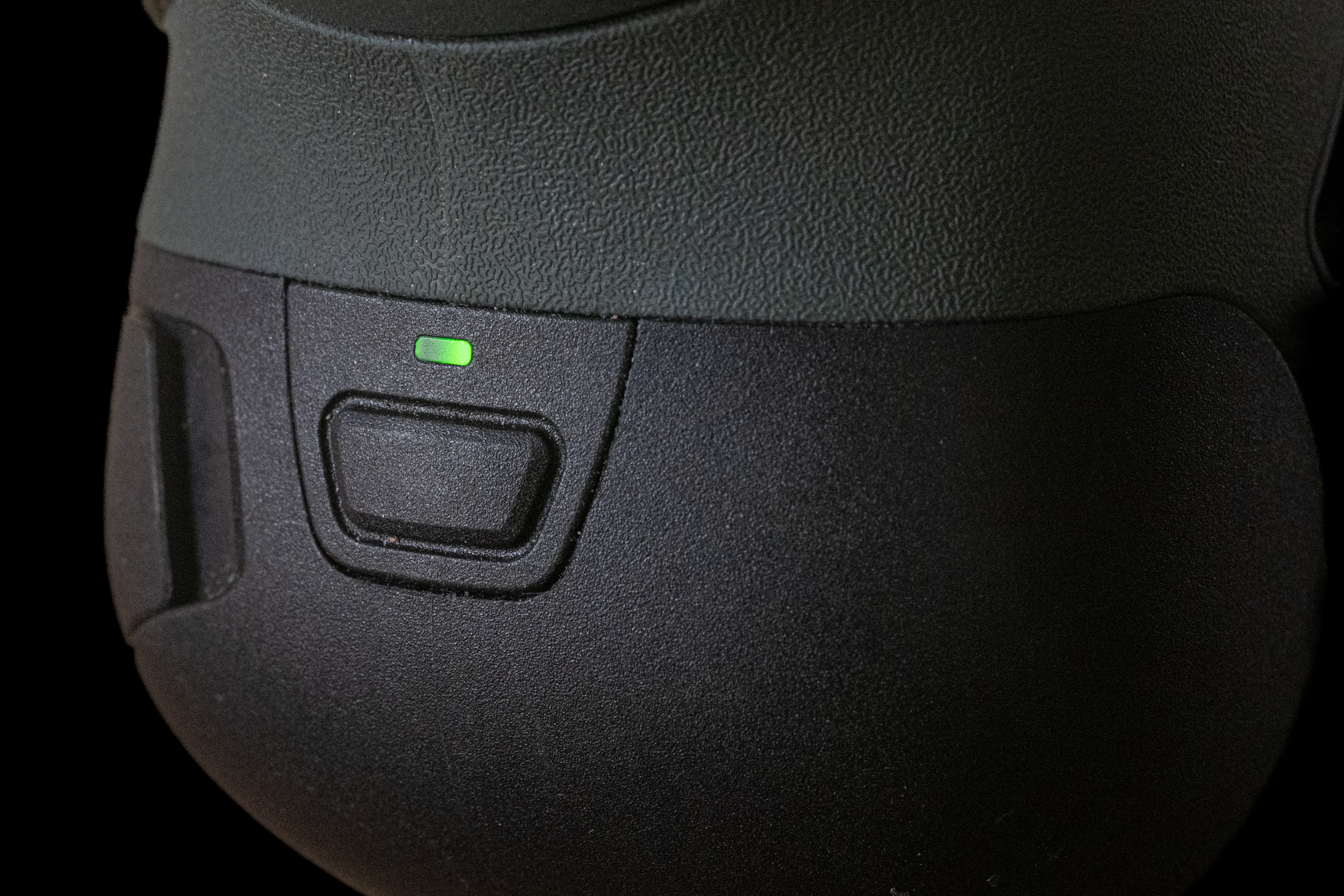
Stabilization is activated and deactivated using a long press on the stabilization button under the eyepiece. The stabilization light flashes and then remains lit while stabilization is on. The activation can both be heard and felt with a quiet and damp thud, although both of these are less notable than those of the Sig Sauer.
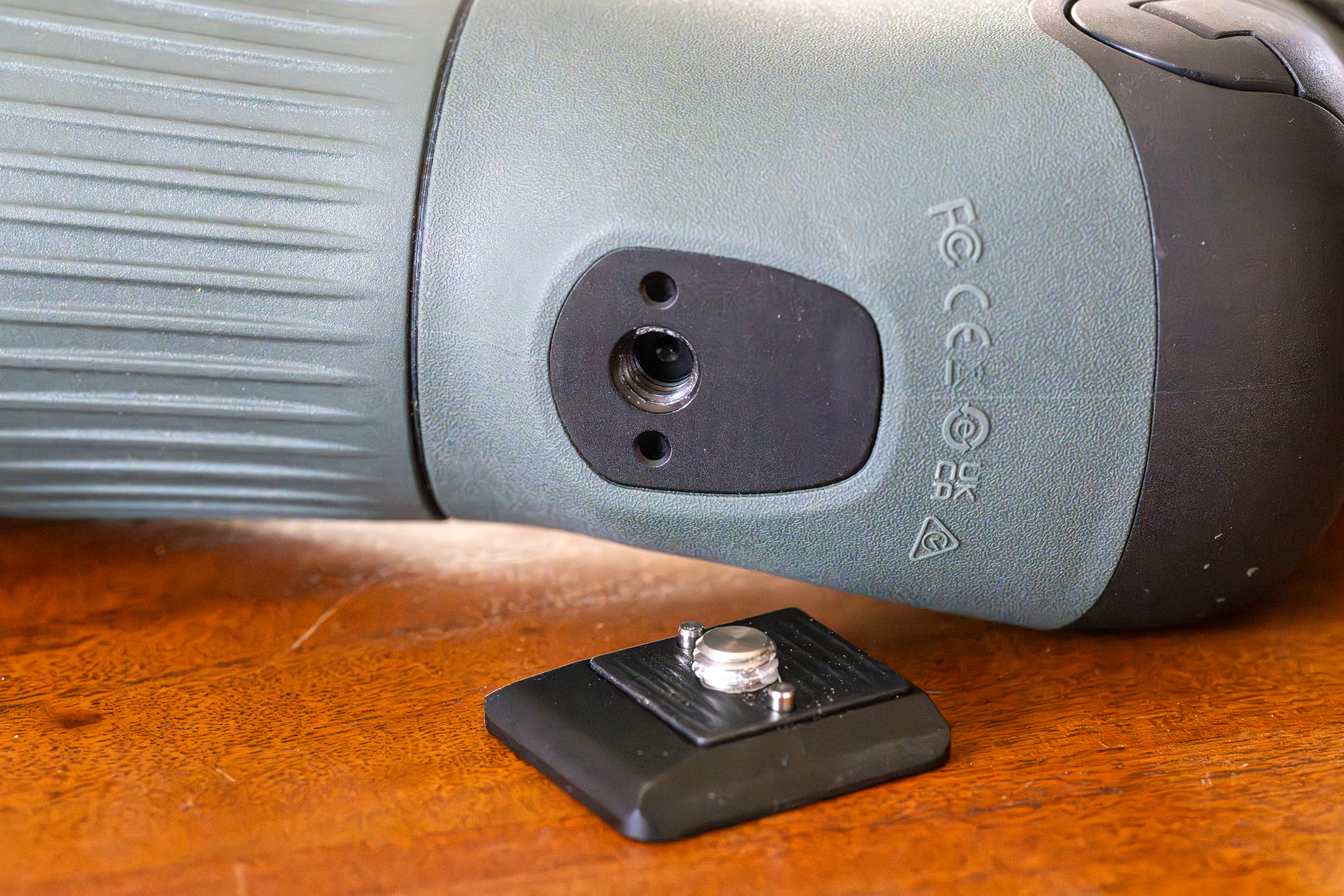
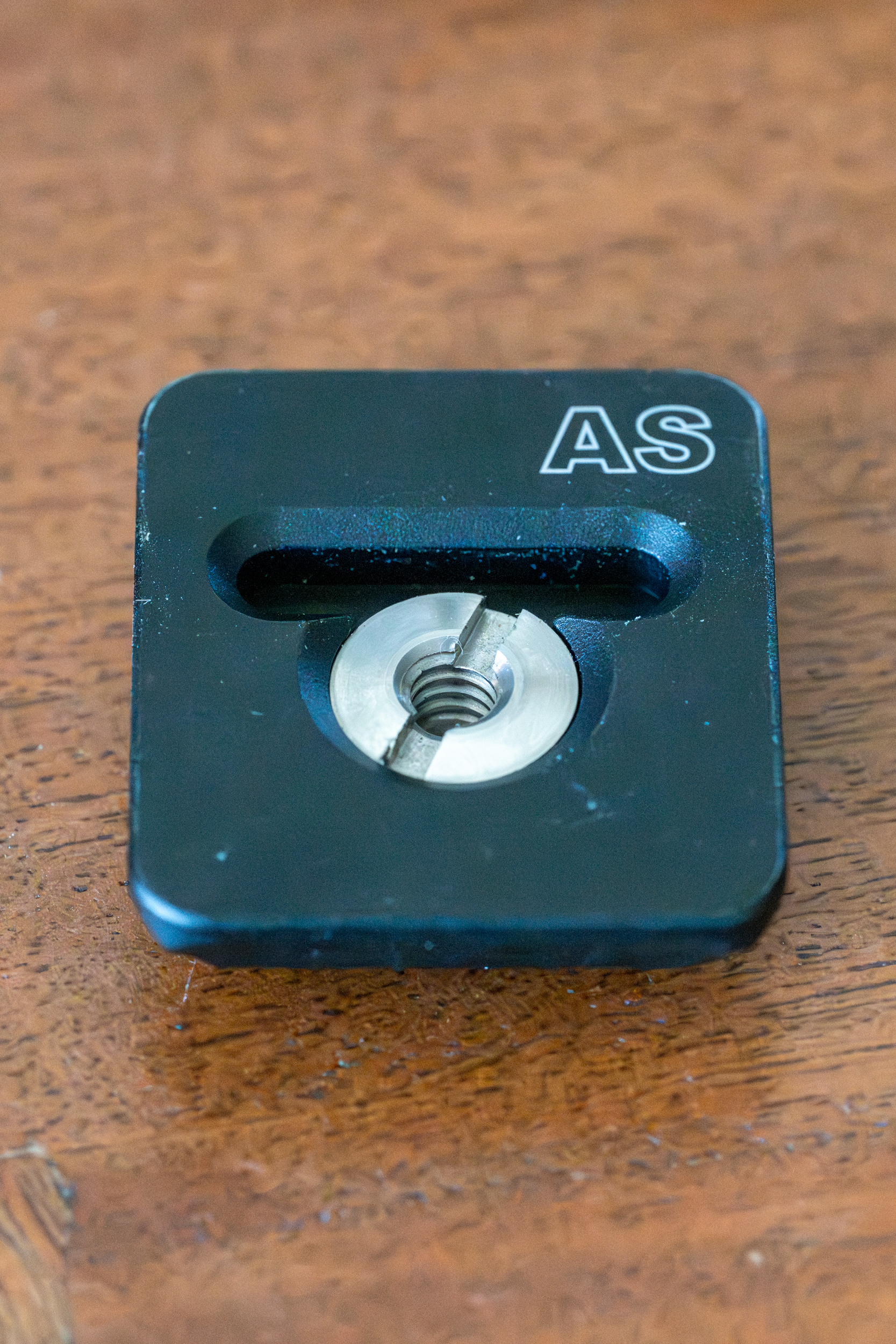
The AT Balance has a flush threaded mount on the underside so the user can mount any preferred adapter plate, but also includes an “AS” ARCA-Swiss compatible plate in the box. I secured the AS plate and forgot about it.
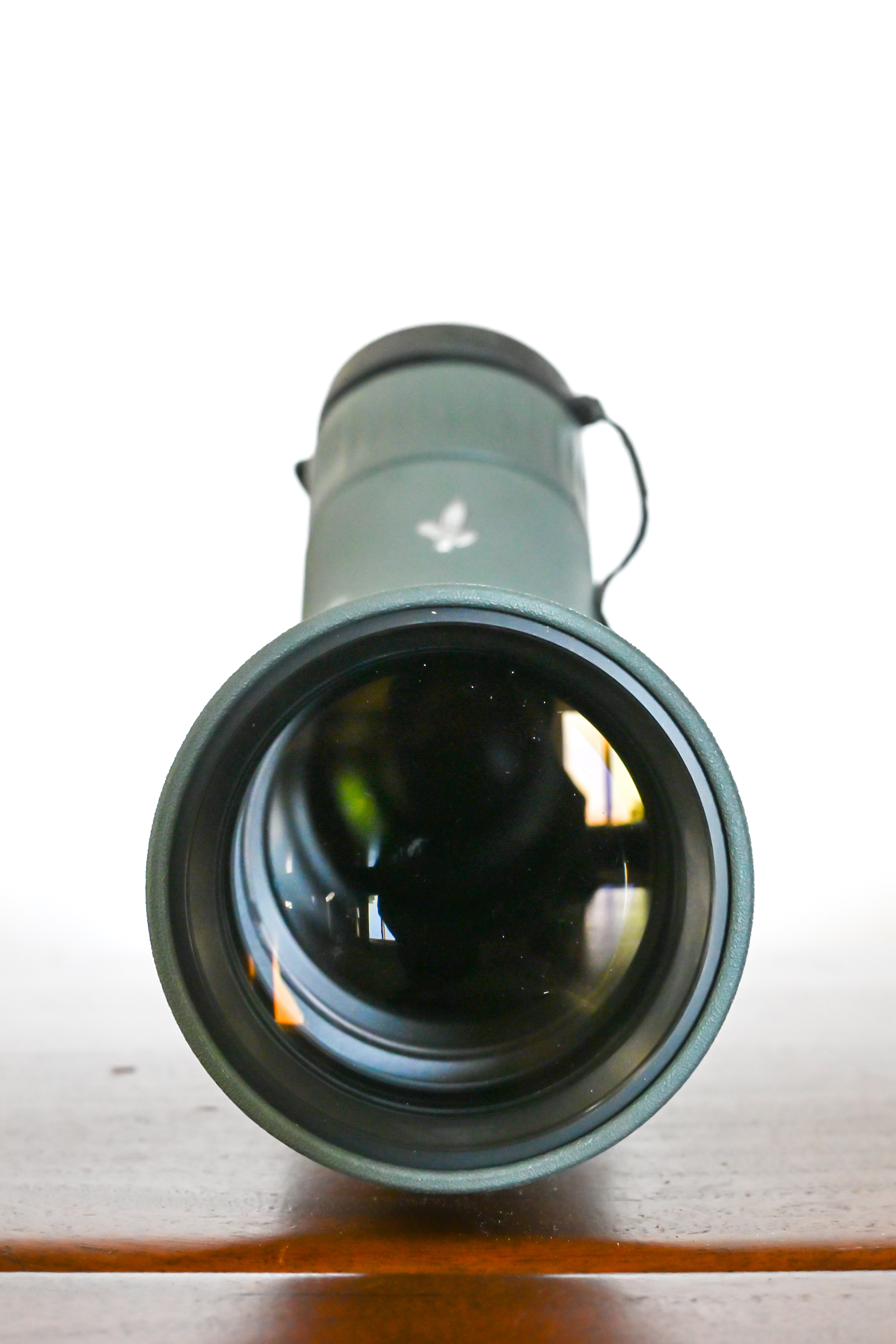
The AT Balance, surprisingly, does not have an extendable sunshade on the objective like other Swarovski spotting scopes. The existing barrel sits far away from the front element to protect it (more on this later), but there were times when glassing into the sun where I would have appreciated an extendable sunshade to reduce flare.
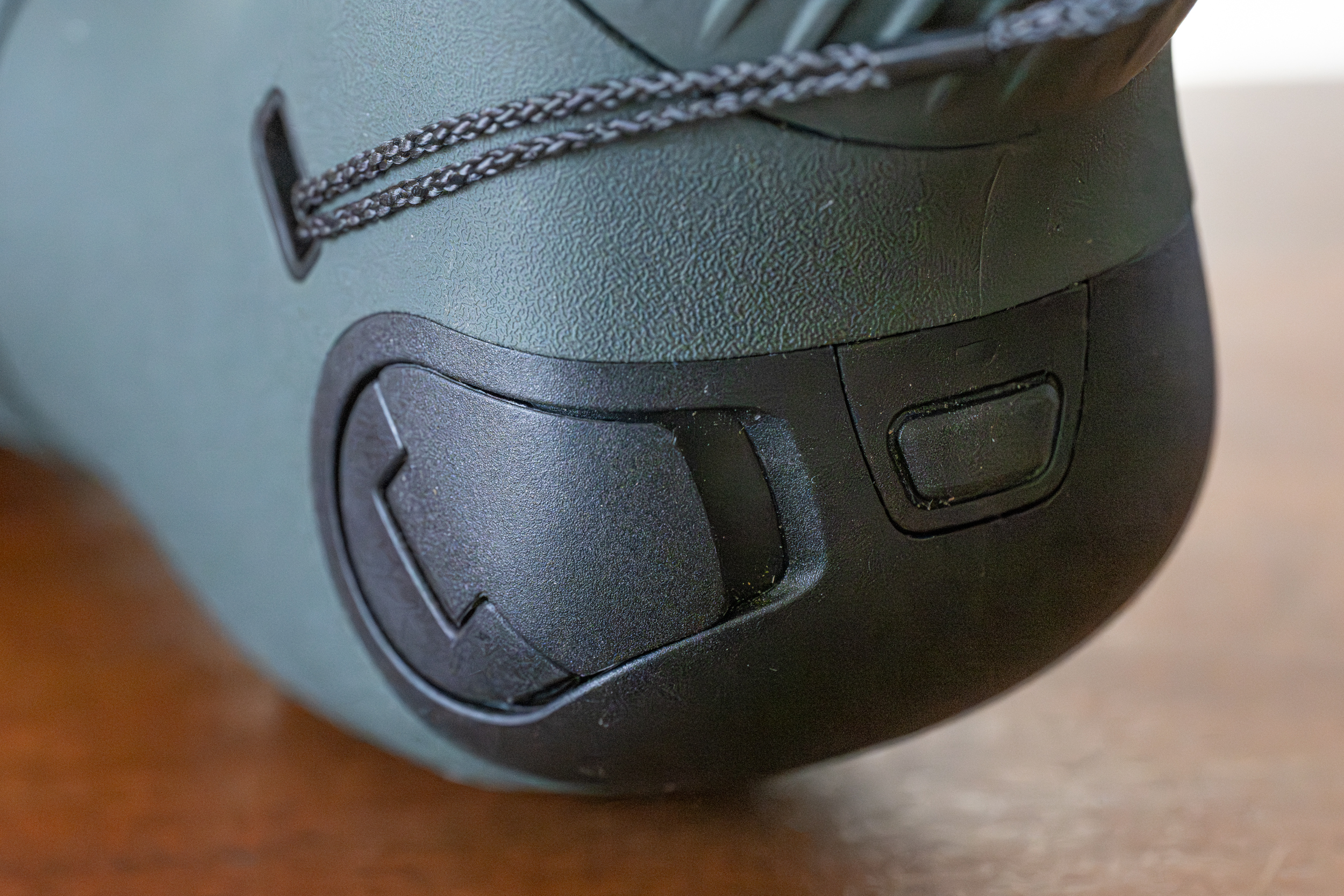
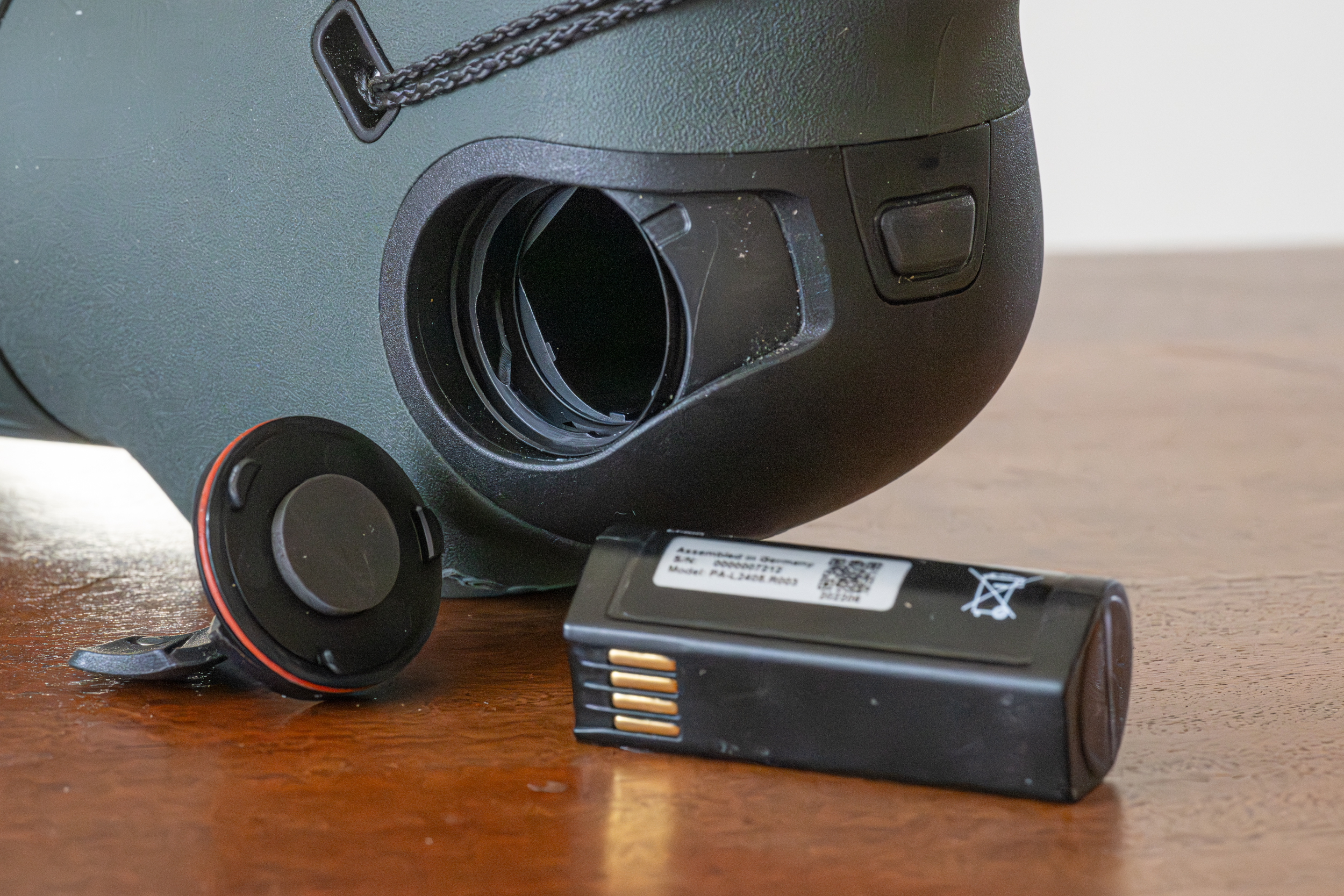
Swarovski uses a proprietary “RBS” 1860 mAh Lithium Ion rechargeable battery. This battery provided ample power for six straight days of normal use with frequent on/off cycles. I even left the stabilization on overnight and didn’t run it empty. There is no way to know how much battery is left without putting the battery in the charger.
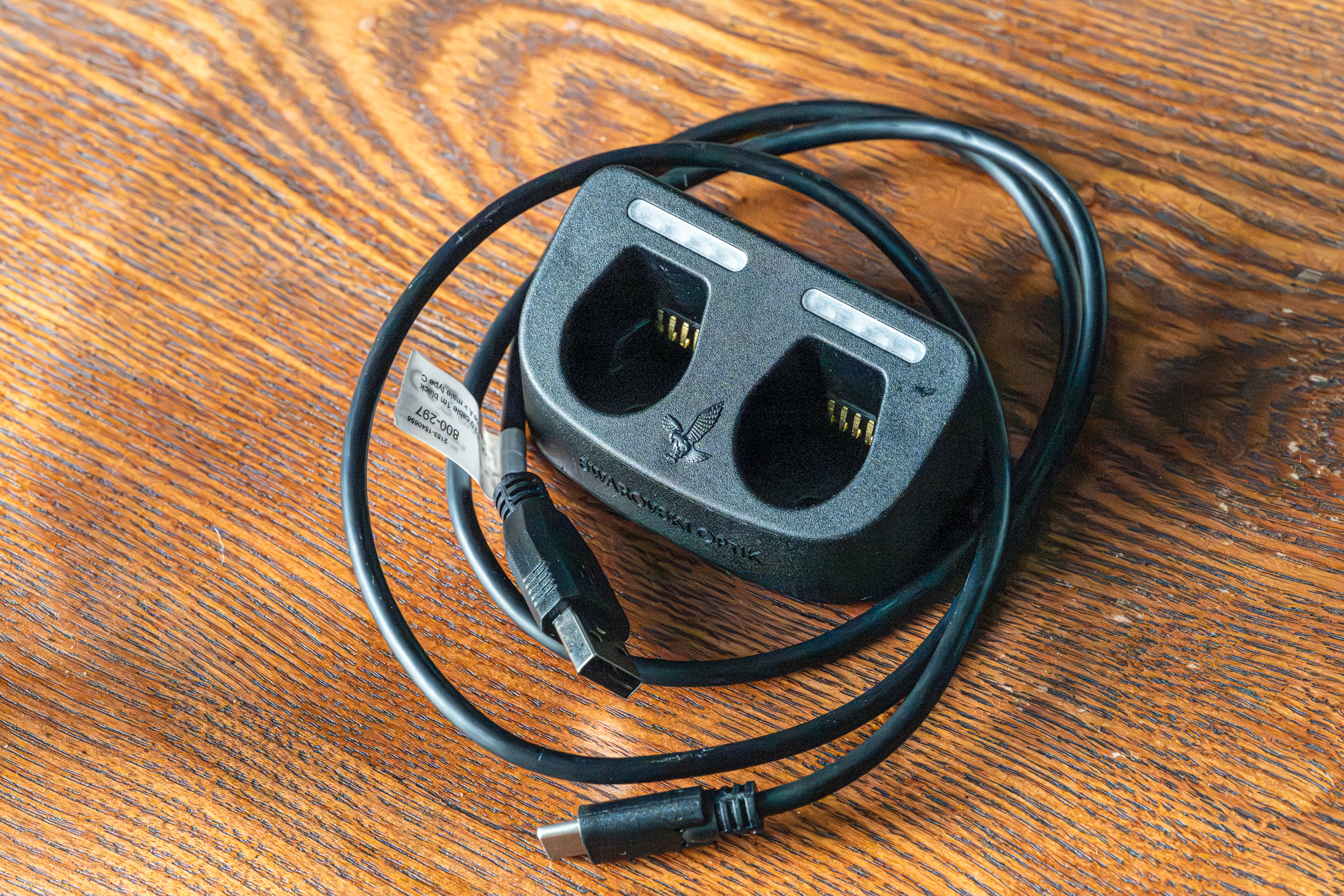
However, one of the great features of the Sig Sauer was that it took standard alkaline AA batteries that could be purchased at a local gas station, if needed. As is, AT Balance users will need to keep a charger and cable and/or extra proprietary batteries at $70 each for additional power. The included charging dock can charge two RBS batteries simultaneously and includes a USB-A to USB-C cable. When the battery is in the dock, four LED lights give an approximate charge left.
The battery compartment is sealed with an o-ring and closes with an 1/8th of a turn. The process is a little finicky and I had the o-ring seat incorrectly a couple of times. With some care, it was not a problem.
Build Quality
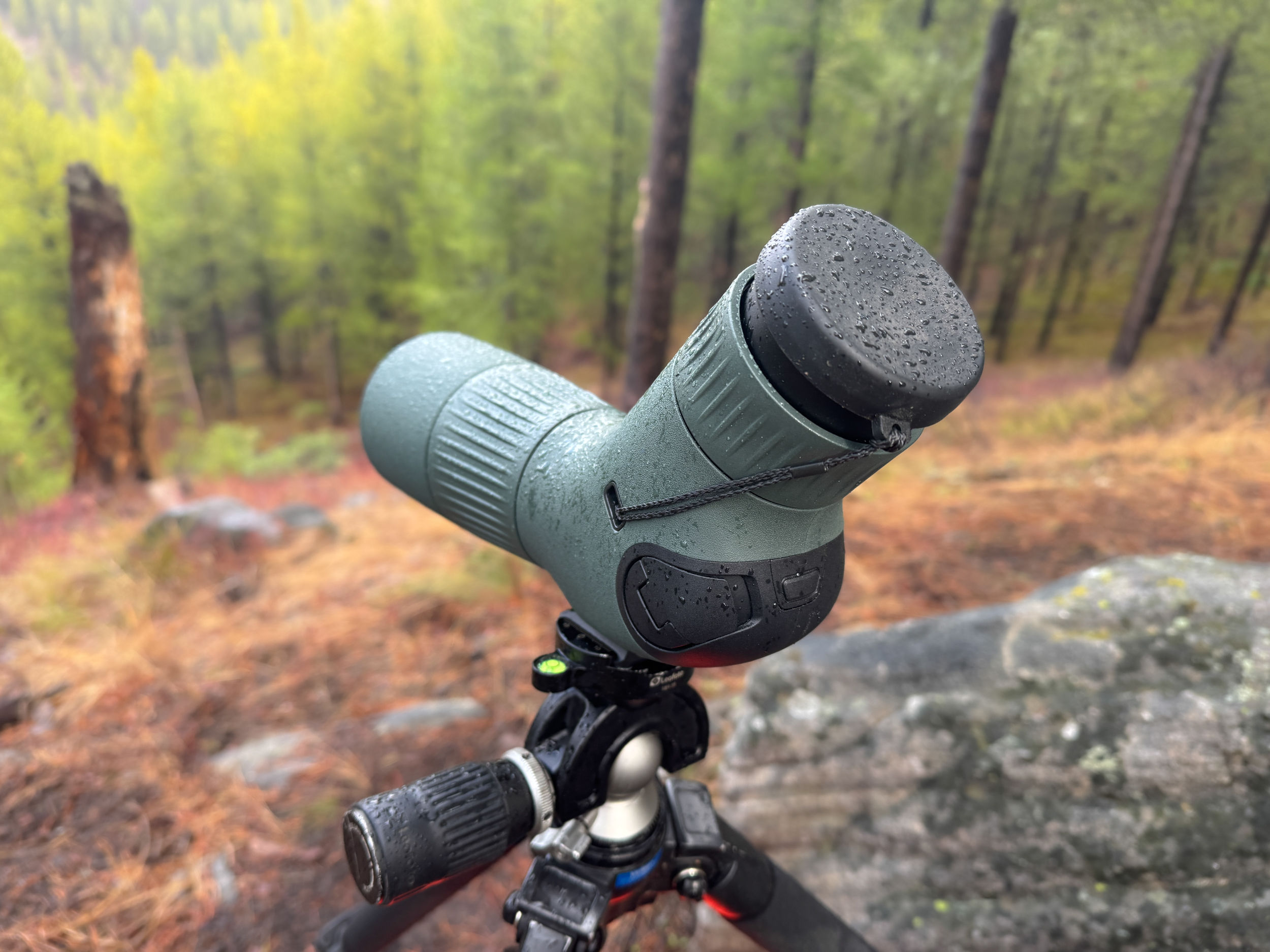
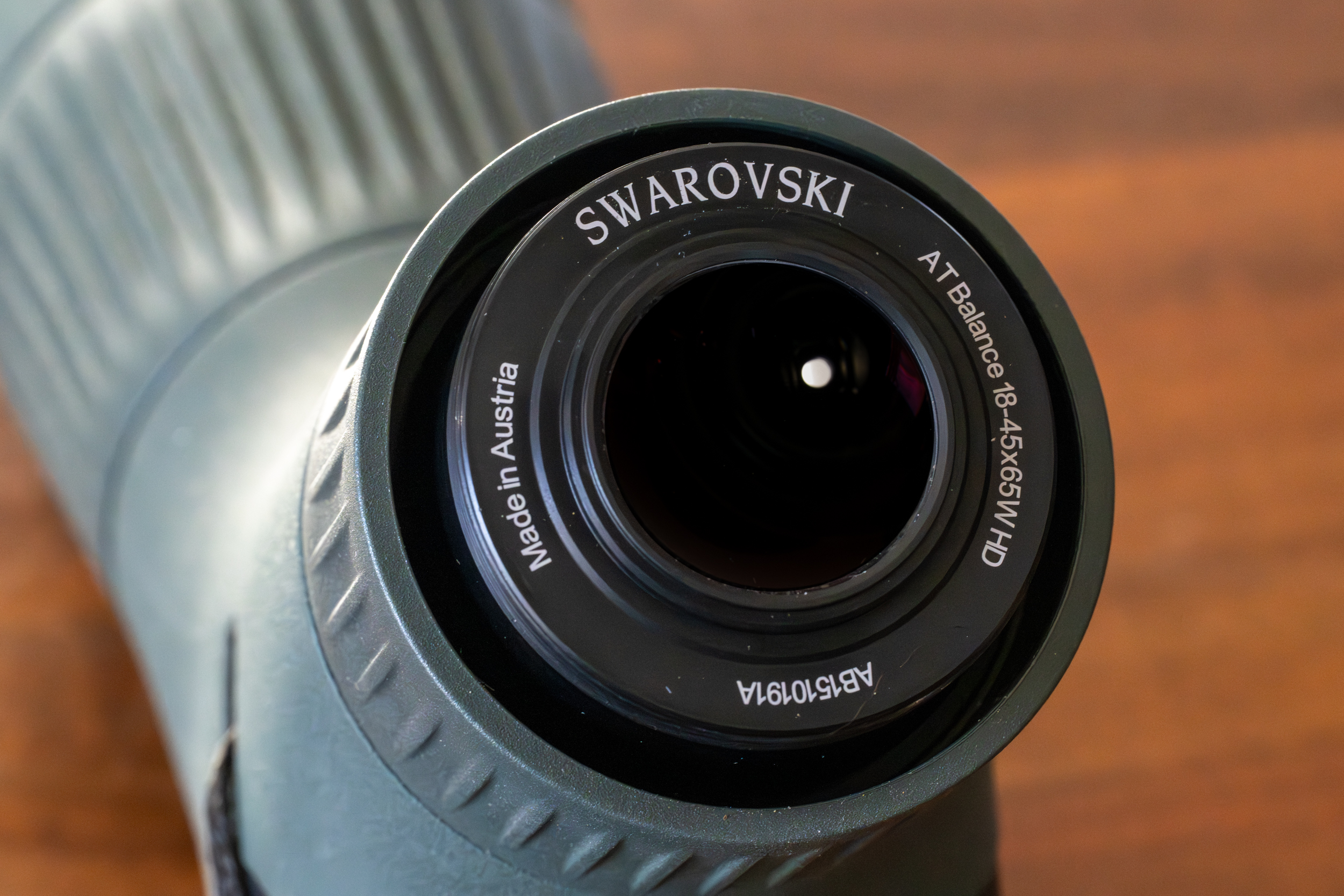
The AT Balance is wonderfully consistent in build quality with the rest of the Swarovski sport optic lineup. It shares the excellent, grippy rubber armor, smooth helical focus ring, and equally smooth focus ring, which sits right under the eyecup. The ATX-inspired eyecup adjusts smoothly with sufficient resistance, and is fully removable. In fact the model name, Made in Austria script, and serial number are all hid under the eyepiece.
The AT Balance is about 10.5 inches long and weighs in at 3 lbs. 6.9 ounces field-ready with both caps, AS plate, and battery inserted. This is about 1 ounce less than an ATX 65. Even with the stabilization mechanism, the AT Balance has a dense and sturdy feel.
Optical Performance
When testing the Sig Sauer Oscar 6, it became quickly apparent that the optical performance was noticeably affected by the stabilization. In order to test the AT Balance we will once again have to test the scope twice, once with stabilization ON and once with stabilization OFF.
Resolution Testing
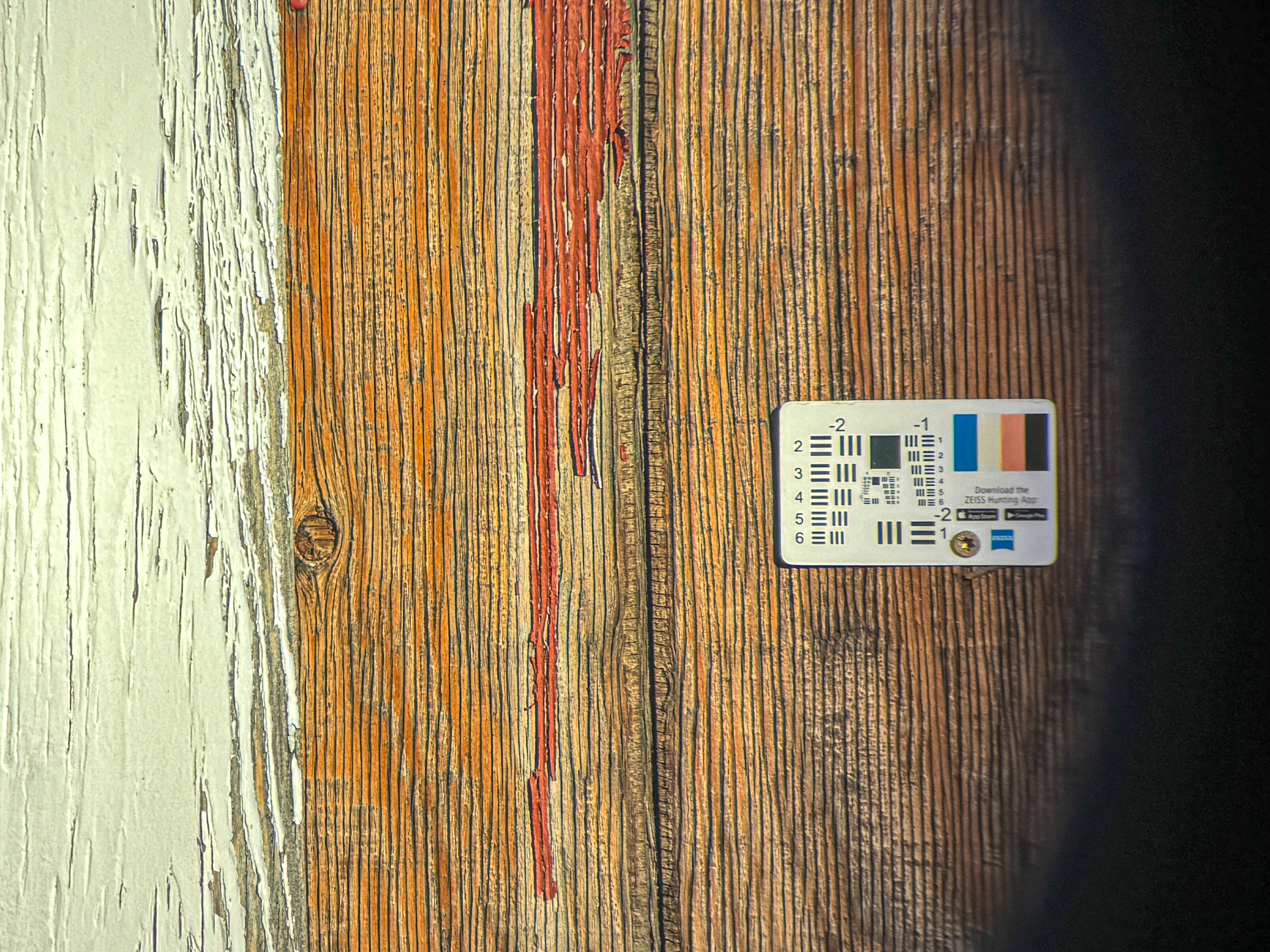
On a clear winter day with stable air, I tested resolution.
With stabilization OFF, the center field performance of the AT Balance was excellent. I was able to cleanly resolve small elements on the USAF chart. The image had great contrast. Resolution at 45x was indistinguishable from the ATX 65mm. Very impressive.
Edge performance was quite good as well, although slightly reduced from the center. The field flattening technology from the ATX series does a good job here reducing field curvature and distortion, leaving great edge performance.
With stabilization ON, sharpness took a hit, but was not nearly as noticeable as it was on the Sig Sauer Oscar 6. In the center at 45x, I could resolve one smaller element on the chart with the stabilization OFF vs. ON. At 18x, the difference was very small, but still present. At times, I almost felt like I could resolve the same detail, but consistently there was an ever-so-slight softness when the stabilization was active.
Distortion
At the lowest power of 18x, the AT Balance has negligible distortion.
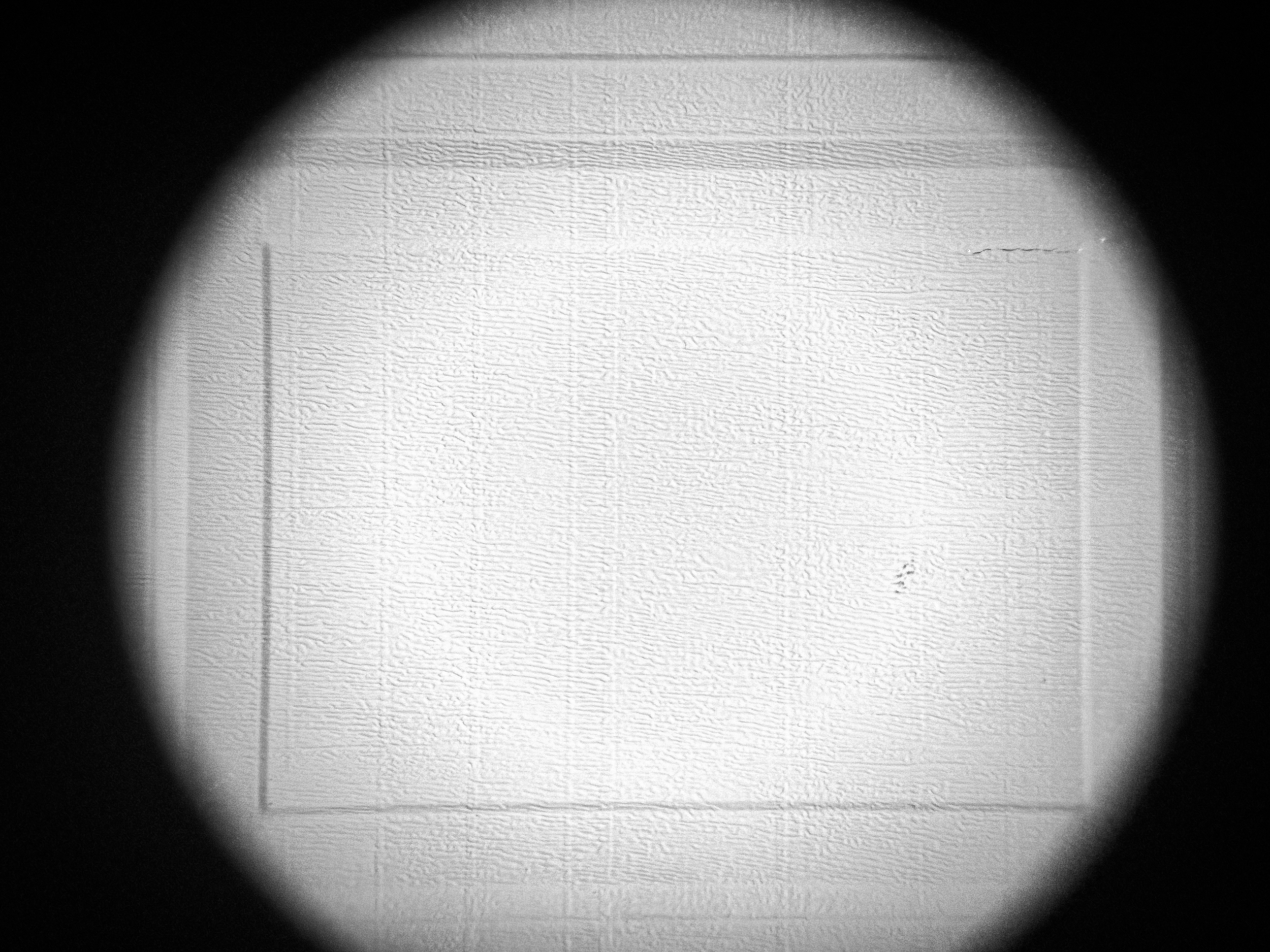
At 45x, a tiny amount of pincushion distortion is visible.

This is impressive distortion control.
Chromatic Aberration
The center of the field of view in the AT Balance has near-perfect Chromatic Aberration (CA) suppression.
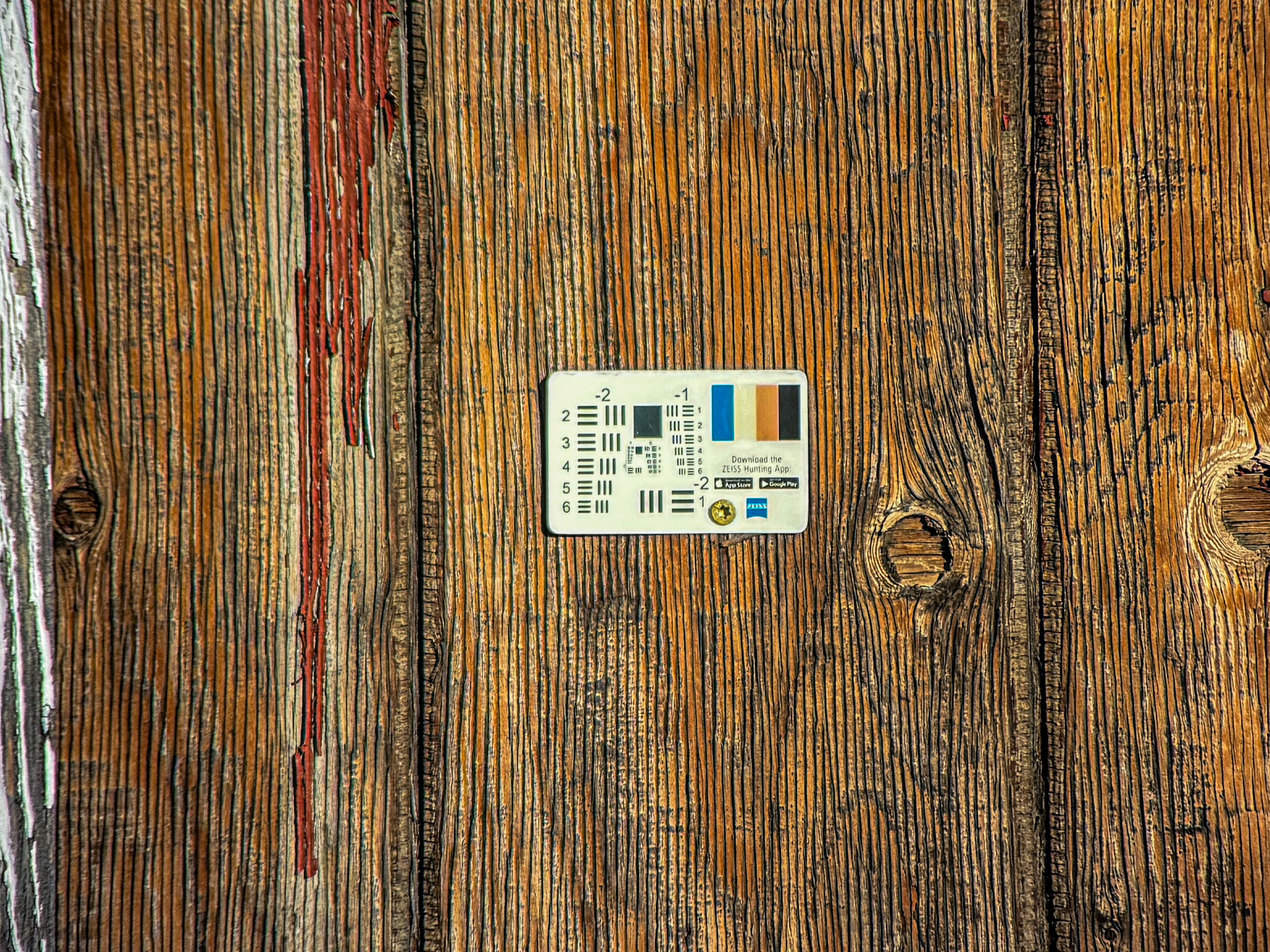
Even at the edge of the field, color fringing from CA is remarkably well controlled.
CA control in the AT Balance is very, very good not just as a stabilized spotting scope, but as a spotting scope of any type.
The optical performance of the AT Balance is very impressive and on par with the best non-stabilized spotting scopes on the market.
Stabilization
The stabilization performance of the AT Balance is impressive. With stabilization ON the user can easily get a steady view at any magnification handheld. In windy conditions on a tripod, the view is dead steady. The jerks and jitters while panning are essentially eliminated, and the image just kind of steadily follows along with a momentary delay “behind” the pan. At first, this is a strange sensation, but I quickly accommodated it.
On a tripod, stabilization will occasionally over-run perceived shake, and there can be some image movement, but these situations are really minor. Like the SIG, if I was looking for maximum detail, I just turned the stabilization OFF and used the spotter like a premium traditional spotter.
Digiscoping
The AT Balance is a great asset while digiscoping. Since the stabilized optical performance was so close to the non-stabilized performance, the AT Balance made for impressive hand-held digiscoping. This was a great improvement over the Sig Sauer Oscar 6.
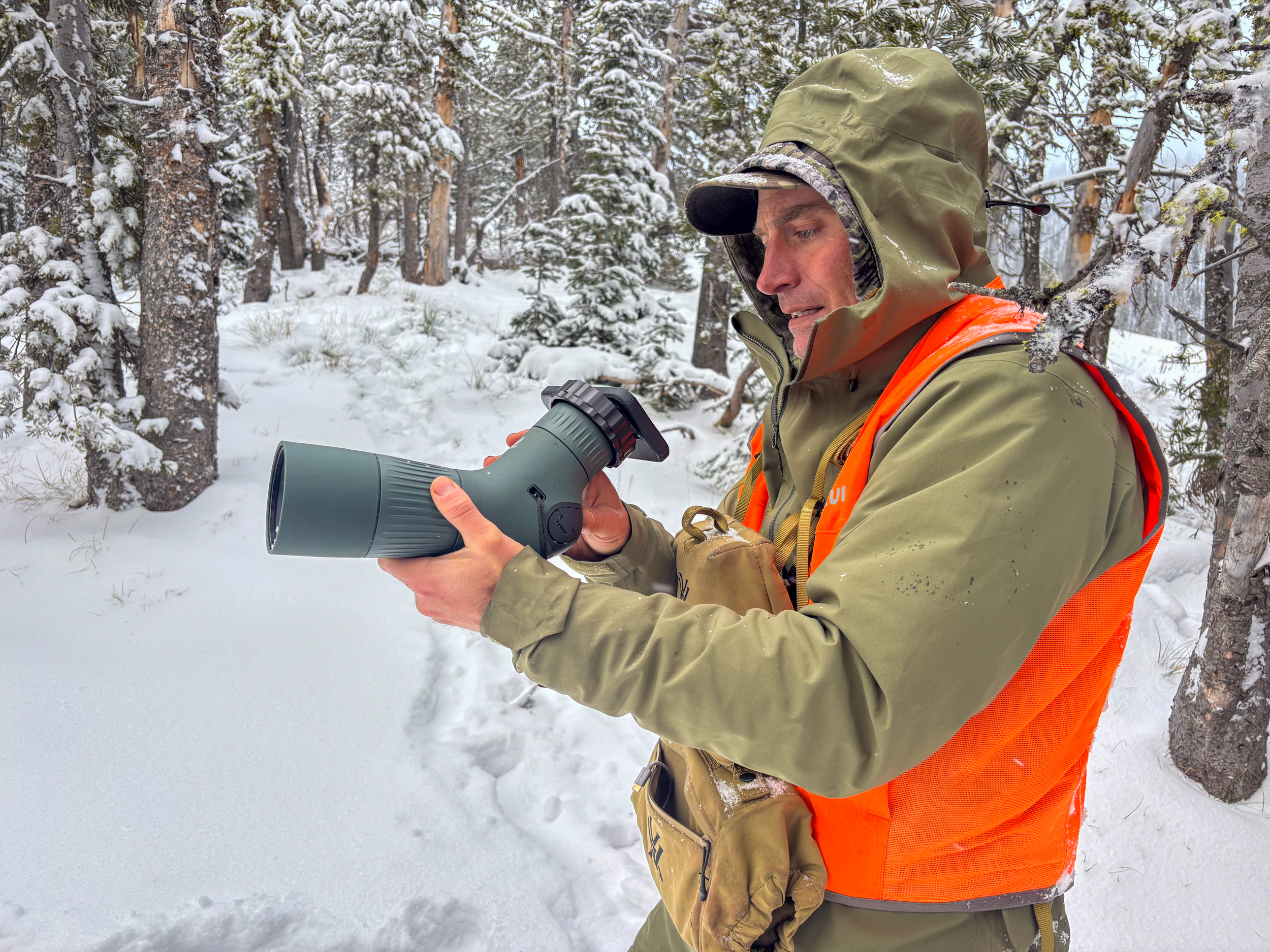
This is a photo of me getting handheld video of a young bull nearly a mile away:
The following is a sample of that same real-world handheld digiscoping video from an iPhone 15 Pro. Please note the conditions were cold, which added some unsteadiness to my technique, but I was pleased to get usable handheld video, even at 45x magnification.
Field Performance
I used the AT Balance for months of primarily elk hunting. Overall, my impressions of the optic were positive. I used it often side by side with other top optics, including Swarovski ATX 65 and ATS 65 spotting scopes. As noted, the optical performance of the AT Balance was competitive with these traditional premium spotters. In extremely windy conditions and for fast glassing situations, the stabilization was far more than a gimmick. The feature made the scope fully functional while a conventional spotter was essentially useless.
Another great feature was the ability to put the rifle on the tripod while still using the spotting scope. During my son’s elk hunt, we were able to get the rifle mounted on the tripod in a hurry to make a 458-yard shot across a Western Montana canyon. I was able to use the AT Balance handheld during the shot and watch the trace and impact. Amazing.

I have preferred angled spotters for years because of their advantages, like using shorter and lighter tripods as well as being more approachable for multiple viewers of different heights in field situations. Now that I have used a straight Sig Oscar 6 Spotting Scope and the angled AT Balance, my preference has shifted. The drawback of angled spotters has always been the ability to find the target quickly and easily. This is exacerbated in handheld spotting scope use, and can be even more of a challenge. Like any skill, practice makes perfect, and I got better at finding the target handheld, but never as easily as with the Oscar 6.
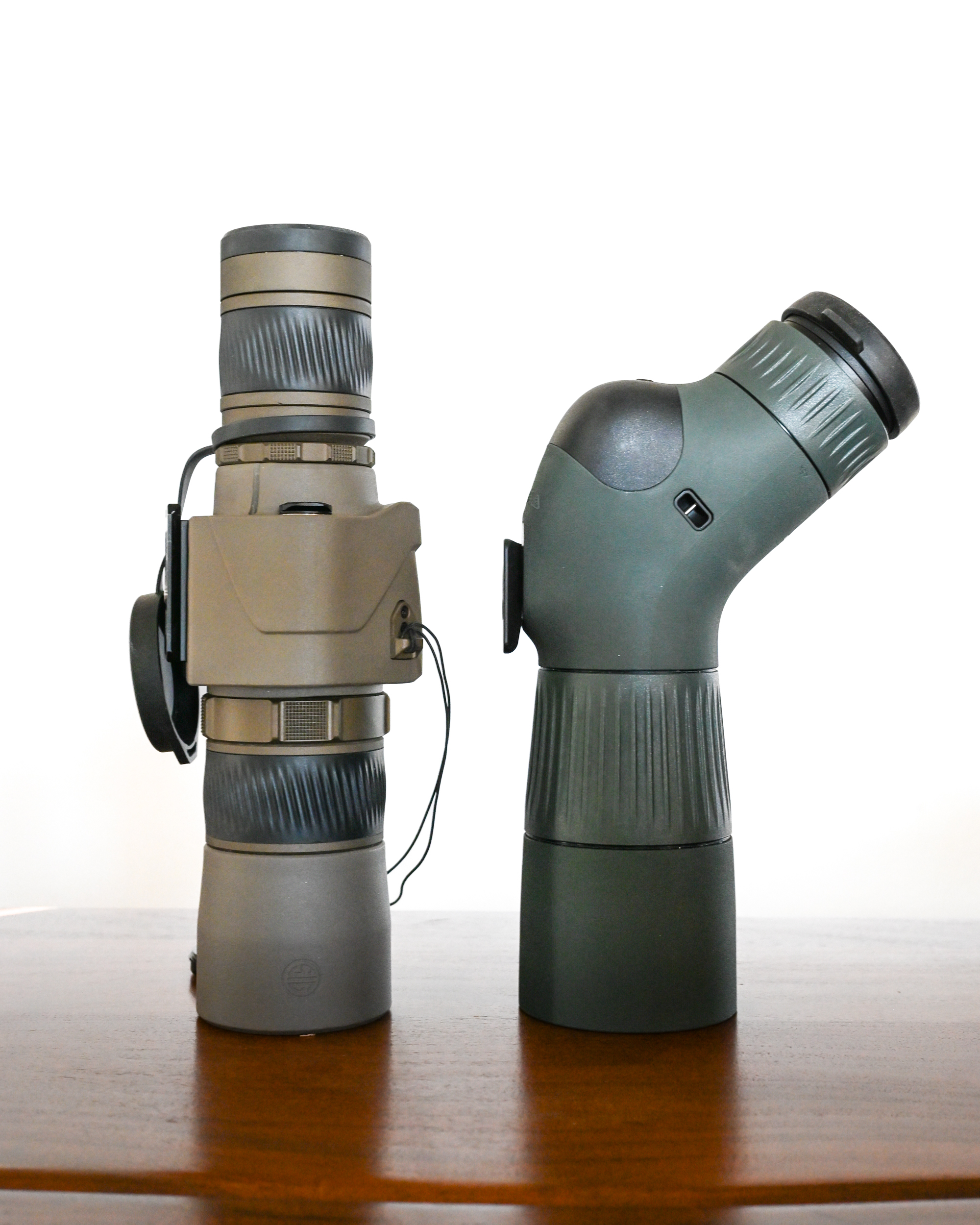
Magnification is a mixed bag. On one hand, the AT balance goes to 18x so the hunter has a huge exit pupil to work with in low light and massive field of view. On the other hand, the scope only goes up to 45x and while that is comparable to the maximum on many great 65mm spotters, Swarovski’s ATX and ATS 65s have 60x available for that real detail work. Overall, I will take the trade though, as I find the stabilization that useful.
Durability
As I mentioned in the build quality section, the AT Balance looks and feels like any other overbuilt Swarovski optic, so I fully expected durable performance. The AT Balance worked in all sorts of conditions from blowing dirt to pouring rain to pounding snow without issue. From warm days over 60 degrees to one morning in single digits, I had zero issues with scope or electronics.
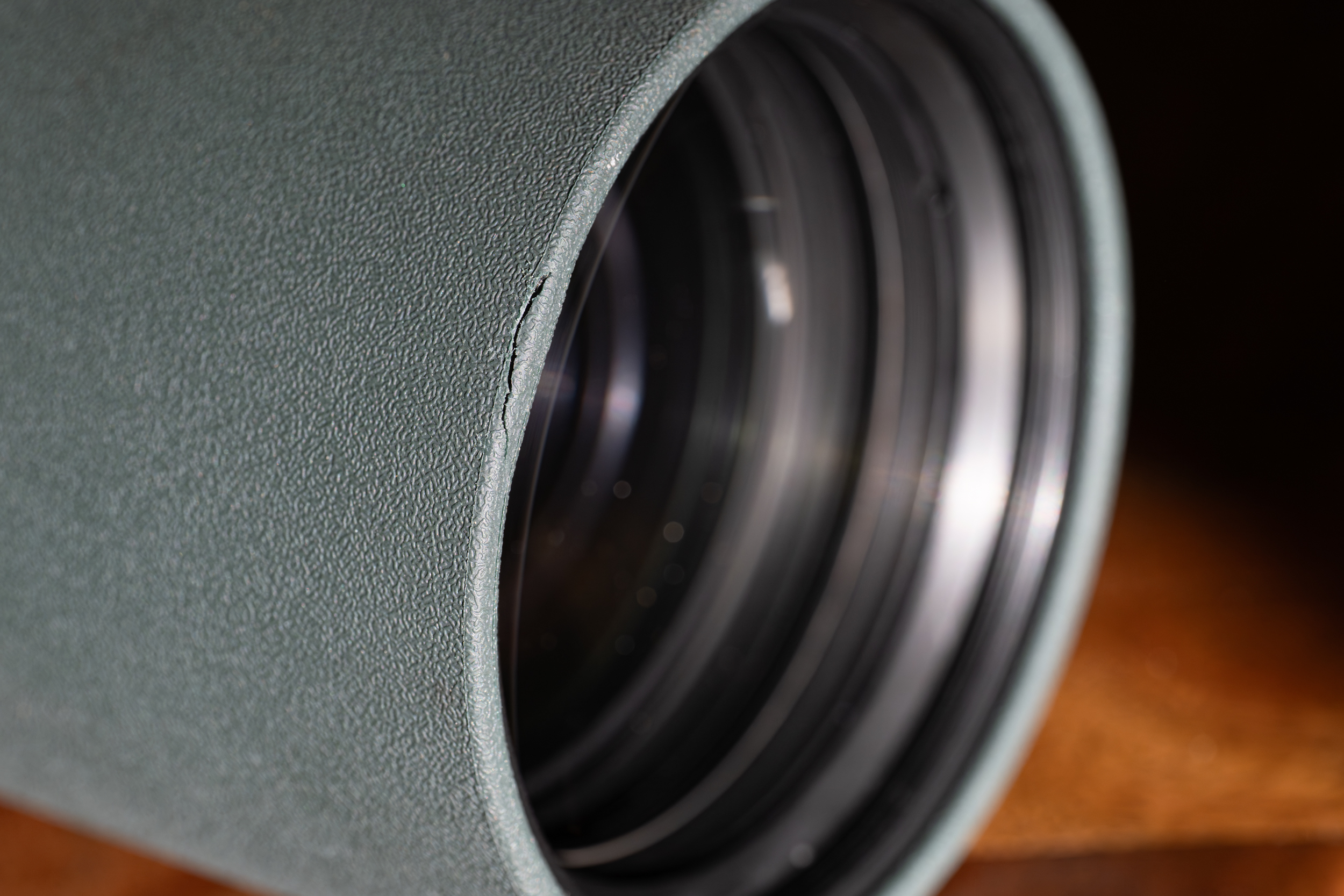
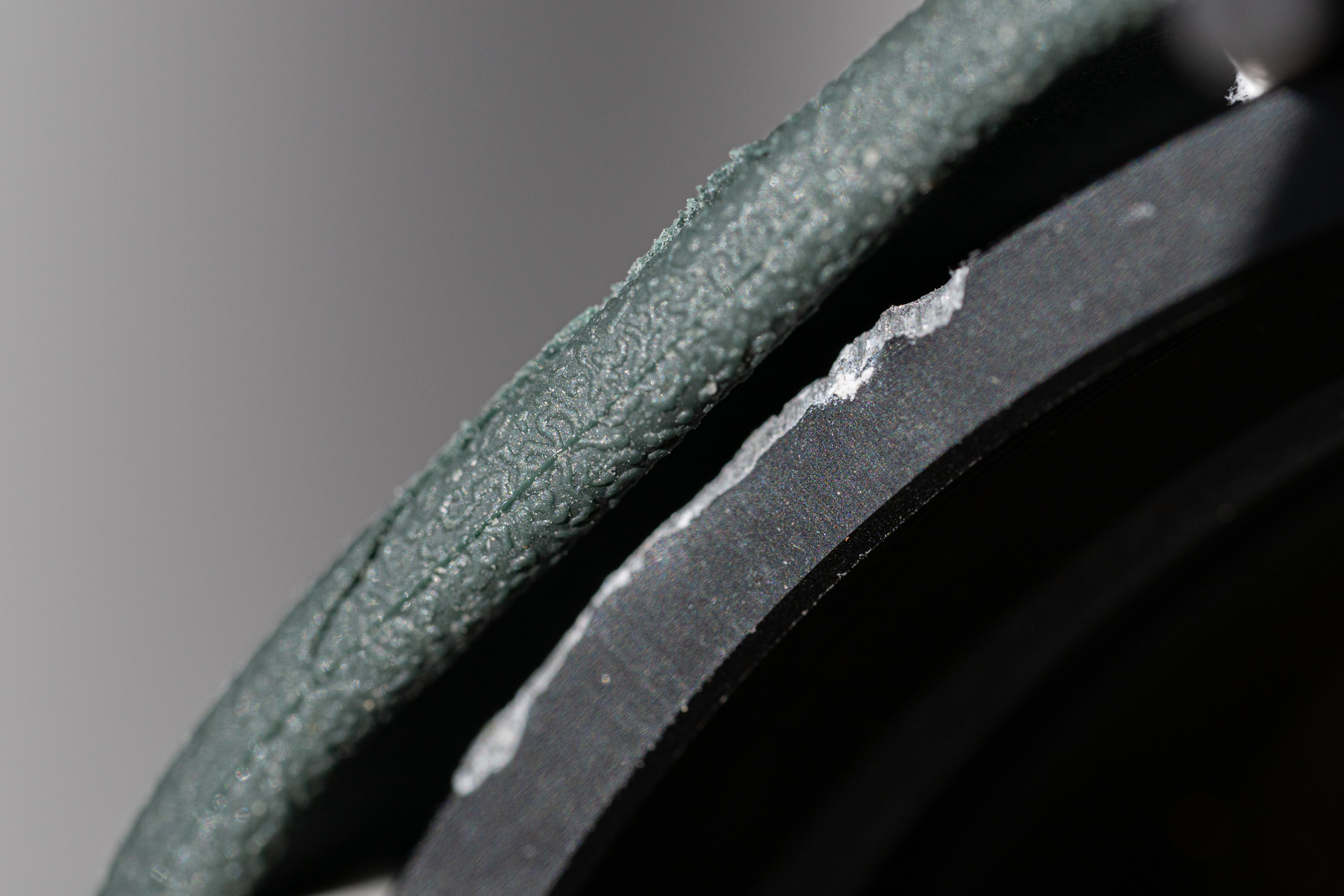
I did have a single unplanned durability event in the field that really put the AT Balance to the test. After glassing with it on a tripod set up on snow-covered rocks, one of the tripod legs slipped into an unseen rock gap under the snow and sent the scope objective first downhill where it landed on rock edge with a disturbingly loud crack.
After close inspection I noticed a tiny tear in the armor on the objective barrel and even some shiny abrasion marks on the metal underneath. The view was completely unimpeded and stabilization worked as it did before. I later checked the short distance resolution performance at home and it remained unchanged. This is just an anecdote, but really boosted my confidence in the optic surviving real backcountry use.
Conclusion
I saw the potential of the stabilized spotter with the Sig Sauer Oscar 6, but the optics fell just short of great. Swarovski fulfills the potential with the AT Balance. Sure, there is a tiny hit to performance with the stabilization active, but it is still great, and the cost is worth it when the hunter needs the stable image.
The hunter depends on a proprietary battery and the ability to charge, but still has an elite optic even without stabilization, should the battery go dead. Hunters needing more magnification are currently out of luck. The 18-45X65 is not available in a straight model, unfortunately, but a smaller, lighter 15-35×50 model is. I would like to see the 18-45X65 available in a straight configuration as well.
At $3999 (at Outdoorsmans here), the AT Balance is essentially twice the price of the Sig Sauer Oscar 6. For me, it is worth it, as the Sig just didn’t have fully satisfactory optical performance. Interestingly, the AT Balance is $200 less than the ATX 65. The ATX 65 has the advantage of other available objective sizes and more magnification, but the AT Balance has stabilization, so hunters will have to make their choice based on their own priorities. You can also see the ST Balance at Outdoorsmans here
Swarovski Optik once again impresses with an industry-leading option for hunters. I can’t wait to see what’s next from the Austrian optics giant.
Comment or ask Matt questions here.