









Argali Serac MagnaCut
When Argali released the Serac knife in MagnaCut, I was excited to get my hands on one, and they sent a blade over for review. My goal from the start was simple: push the knife as far as possible and see how well it held an edge under real hunting conditions.
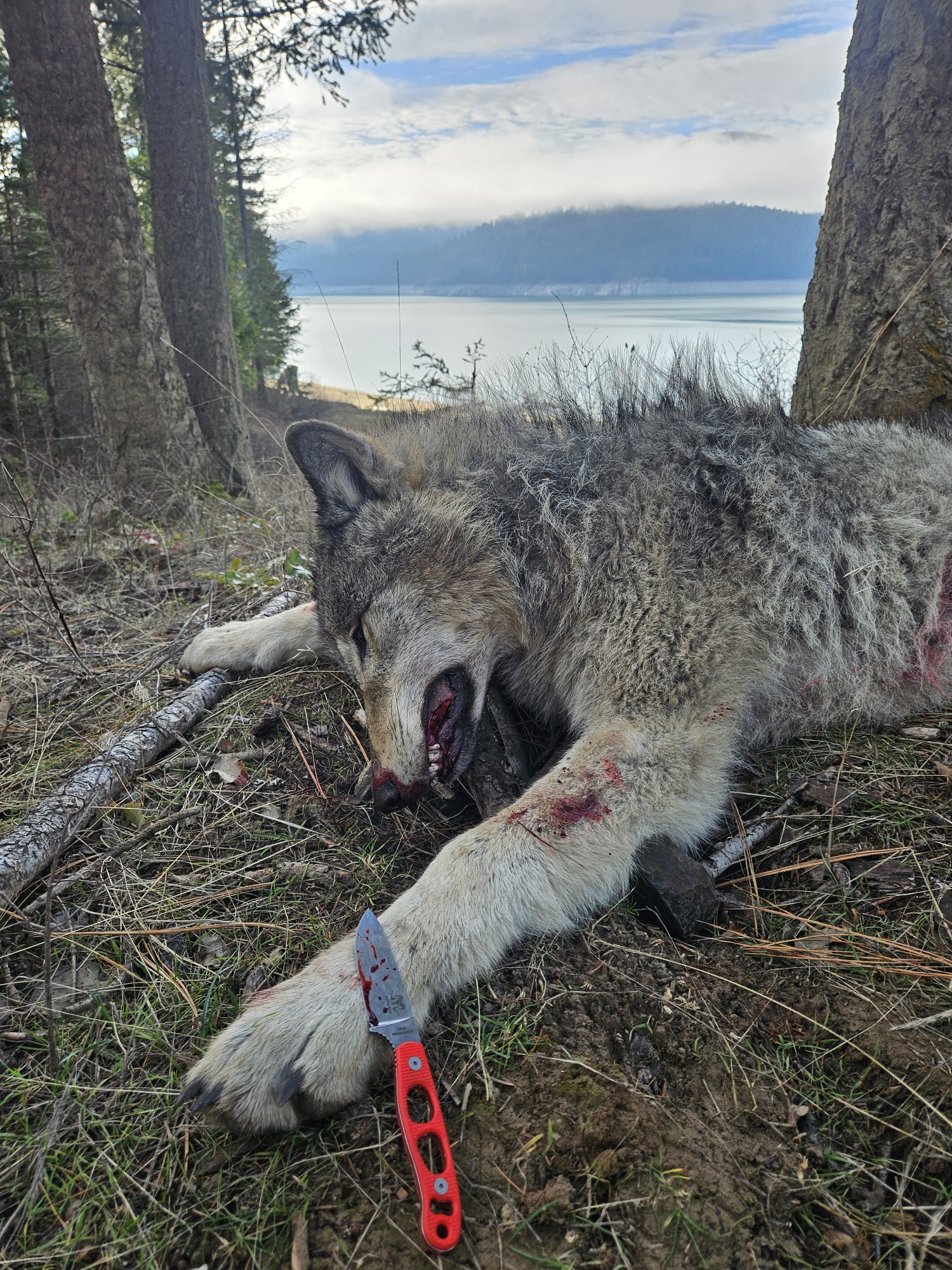
To do that, I intentionally avoided touching up the blade after quartering and skinning a deer. Other than a wipe down, when the time came, I went straight into processing a 103-pound wolf utilizing the tube skinning method. That kind of work is demanding on a knife and quickly exposes weaknesses. The Serac didn’t disappoint.
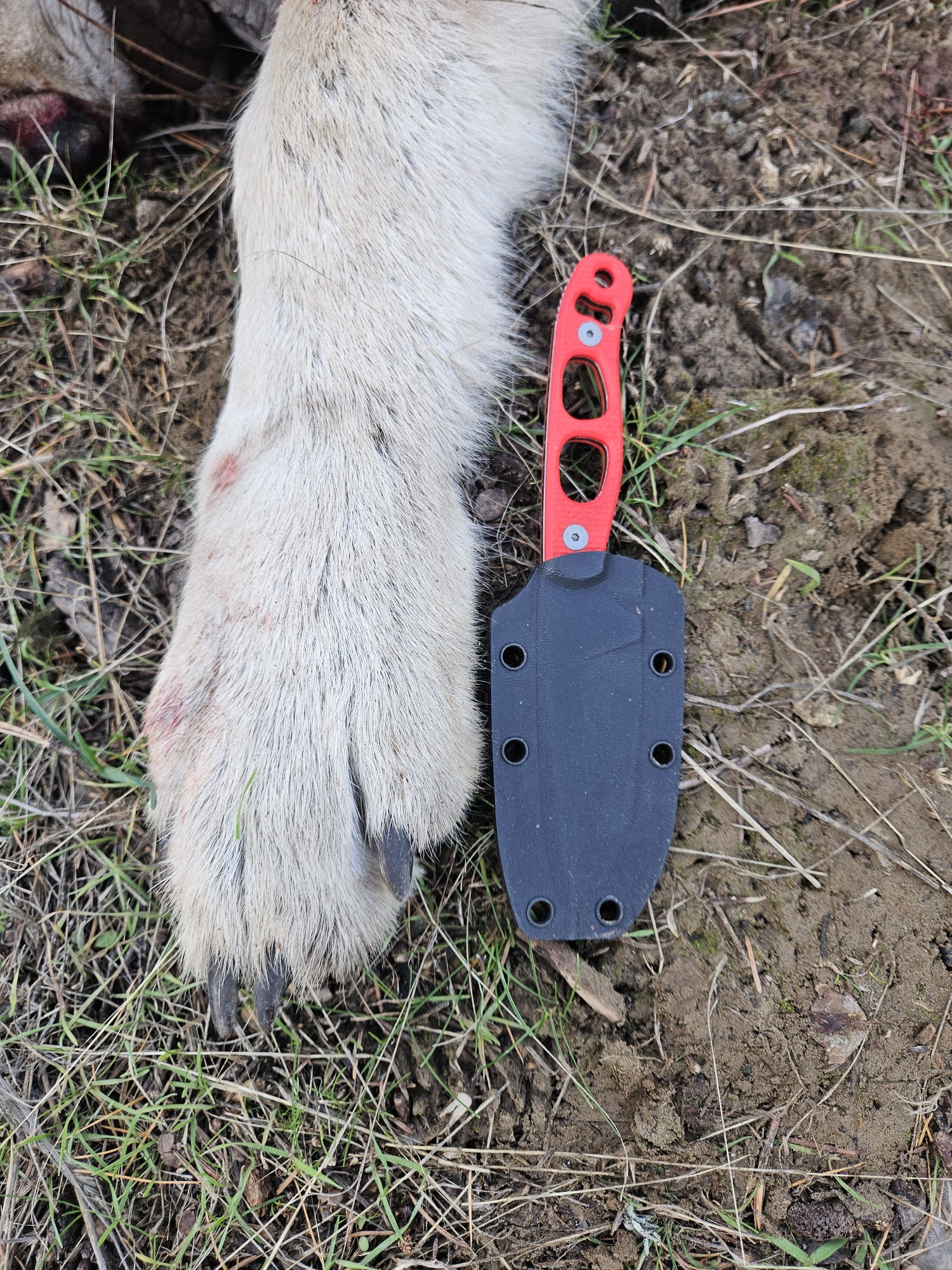
The “Perfect” Field Knife
In my ongoing search for the perfect field knife, my ultimate goal is to find a blade I trust so completely that I no longer feel the need to carry a backup. I’ll admit, I’ve never actually gone into the field without a spare knife of some kind—but it’s still a goal worth chasing.
As technology advances, our packs and gear continue to get lighter. Unfortunately, those weight savings often come with trade-offs. Cost and durability are usually the first compromises you see.
But when it comes to hunting gear, there are a few pieces where compromise simply isn’t an option. A reliable knife ranks right at the top of that list, alongside a good pack and quality boots. Once an animal is down, your knife becomes the most important tool you have.
That’s why there are more knife options available to hunters than almost any other piece of gear.
Argali Serac Design
Argali already had a strong design with the original Serac, but moving the blade to MagnaCut steel is what excited me, given the steel’s corrosion resistance.
Blade geometry matters more than some people realise. The Serac features a drop-point profile with a pronounced belly that extends along much of the cutting edge. That shape plays a major role in how efficiently the knife performs during skinning.
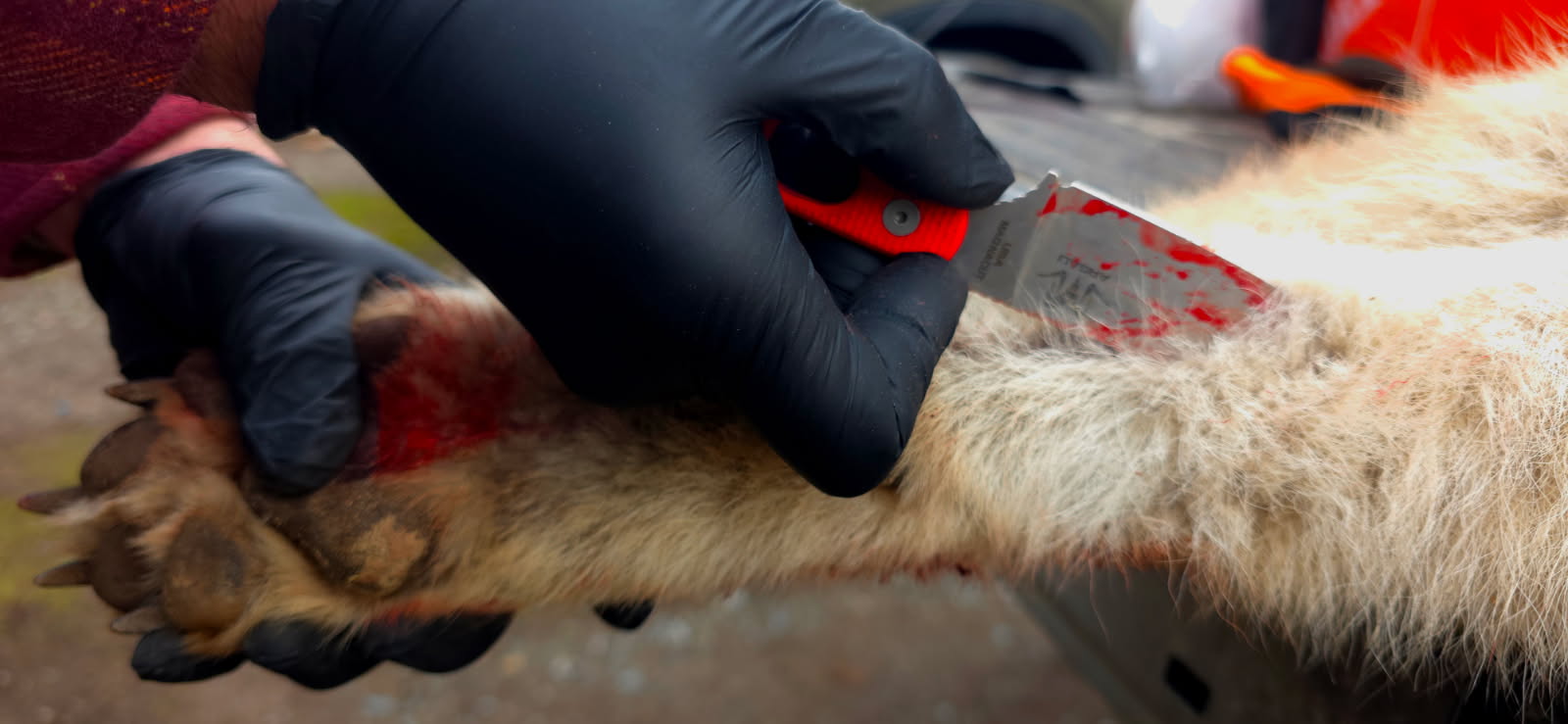
When tube skinning a wolf, a blade with a straight edge requires constant repositioning. You find yourself continually adjusting the angle of the knife to maintain contact between the edge and the hide, which slows the entire process. A blade with a well-developed belly allows the cutting edge to stay engaged longer during each stroke, creating smoother and more efficient cuts.
Lightweight
At just two ounces, the knife feels almost “stupid light”—and that’s a good thing. Despite the minimal weight, the blade still offers excellent control and balance with a great feel in the hand.
Serac Features
I was also pleased to see that Argali went with a true handle instead of the increasingly common paracord wrap. The handle maintains solid grip even when bloody, and it feels purpose-built for real work rather than just looking cool.
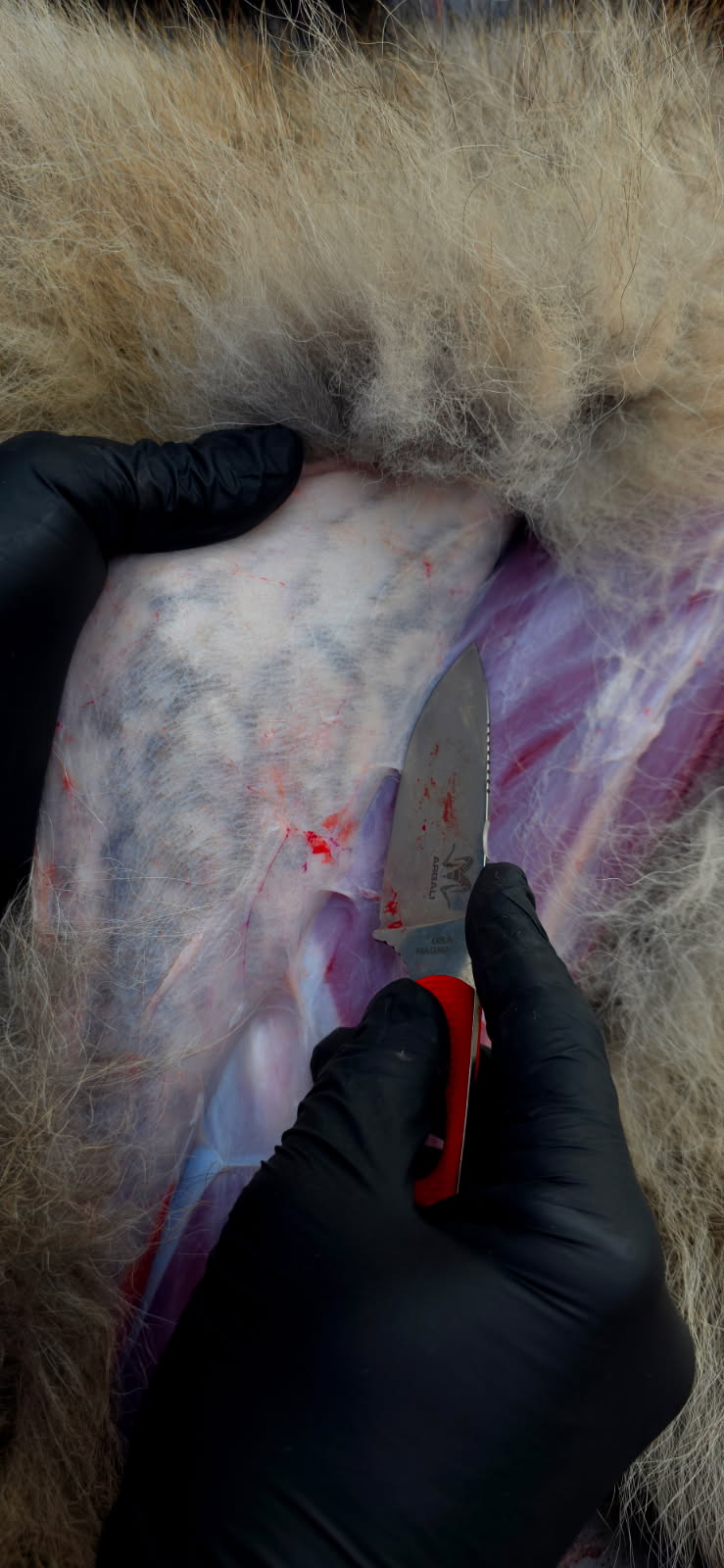
The red handle is another thoughtful detail. I tend to set my knife down frequently while working on an animal, and having a high-visibility color makes it much easier to find again.
The Kydex sheath locks the knife in securely. I never worried about the blade coming loose while moving around with it in my pack. For hunters who prefer to carry their knife on their belt or attached to their gear, the retention is solid and dependable.
Conclusion
I won’t dive too deeply into the ongoing fixed-blade versus replaceable-blade debate. What I will say is that my standard loadout has always included a primary fixed blade, with a replaceable-blade knife riding along as a backup.
After using the Serac on multiple animals, I’m now confident I could head into the field without carrying that second knife. The blade has proven durable, holds an edge extremely well, and performs exactly the way a hunting knife should.
Argali managed to build a better mousetrap—and they did it at a better price.
Comment or ask Dave questions here.