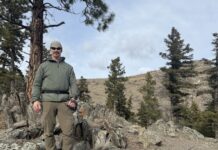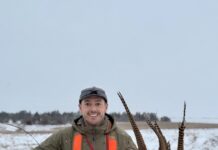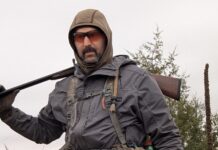

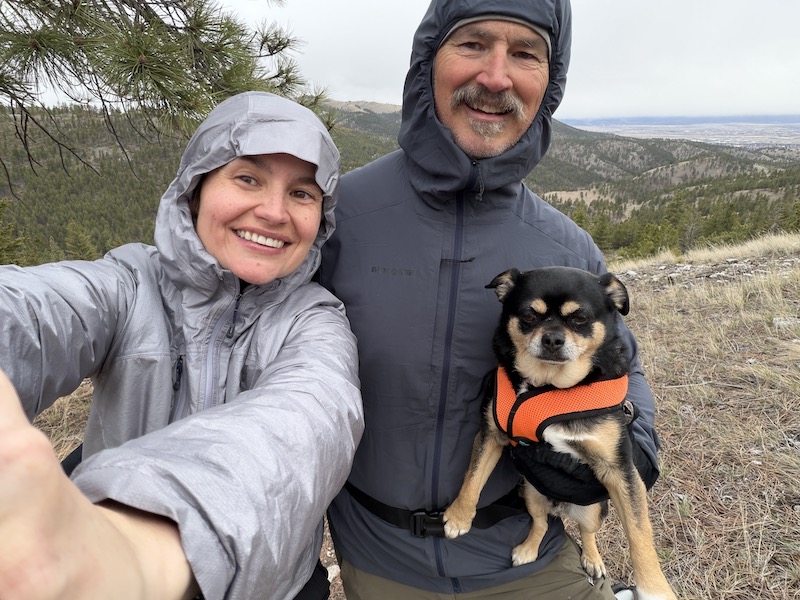
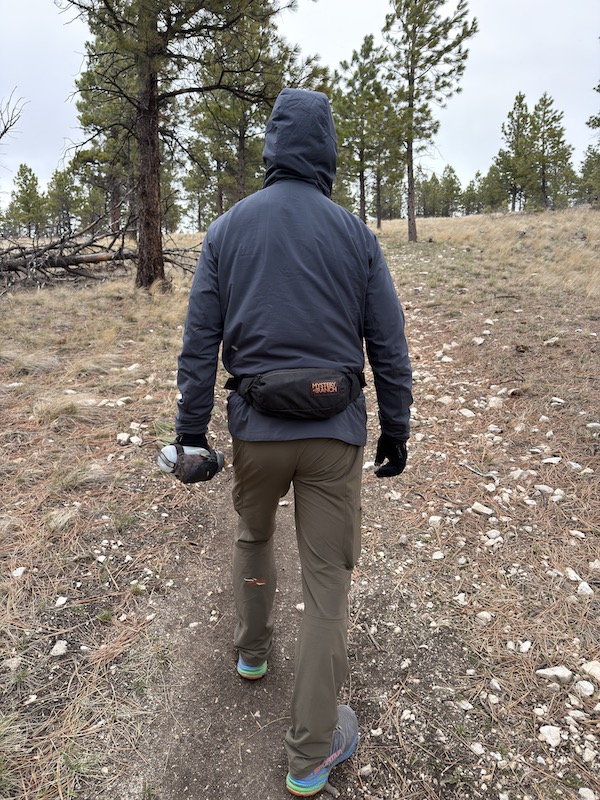
I purchased a Patagonia Nano Air Ultralight a couple of months ago. I own two of their (now discontinued) Nano Air Light hoodies that I’ve used extensively for the last ten years. When I saw the Ultralight version (less insulation), I had to pick one up.
According to Patagonia,
“The featherlight Nano-Air® Ultralight Full-Zip Hoody is the midlayer you can put on at the start of your alpine objectives and forget about completely.”
More info here.
Pricing/Colors/Sizing/Fit
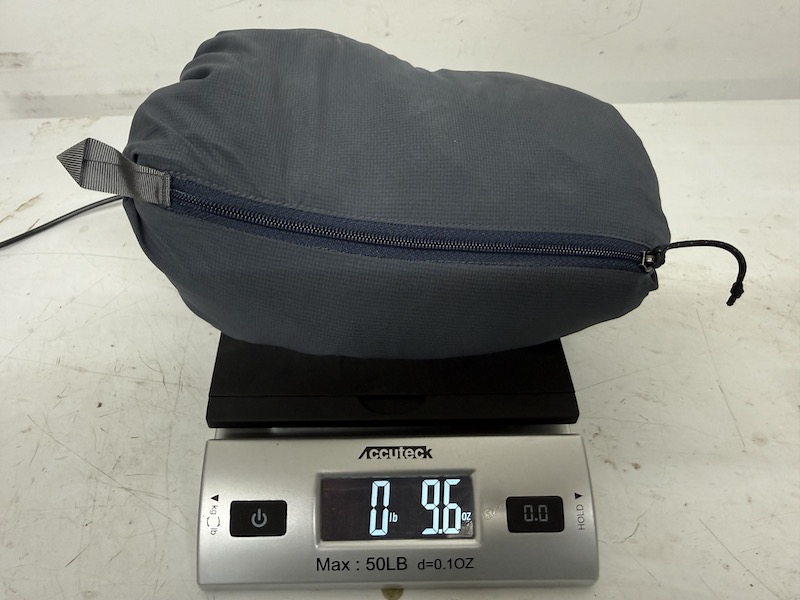
The jacket comes in several colors, including a few hunter-friendly options, including green. The MSRP is $249. The site claims a weight of 8.8 oz; my size Large weighs 9.6 oz.
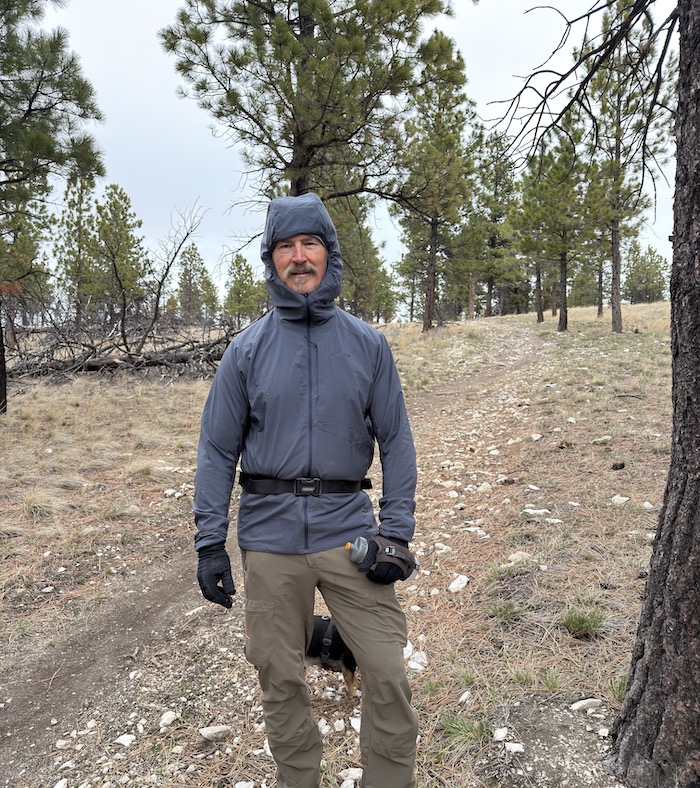
I find the fit to be “regular”; mine is a Large, which is the size of 90% of all my jackets. My discontinued Nano Air Light hoodies are XL, as they are a more athletic fit and not full zip, so I had to size up. Not so with this piece.
The jacket does not have an adjustable hem or hood. My preference would be to include both, as it would likely add less than an ounce. The hood is sized for a helmet, so in my opinion, there is even more reason to have an adjustment in the hood when not wearing one.
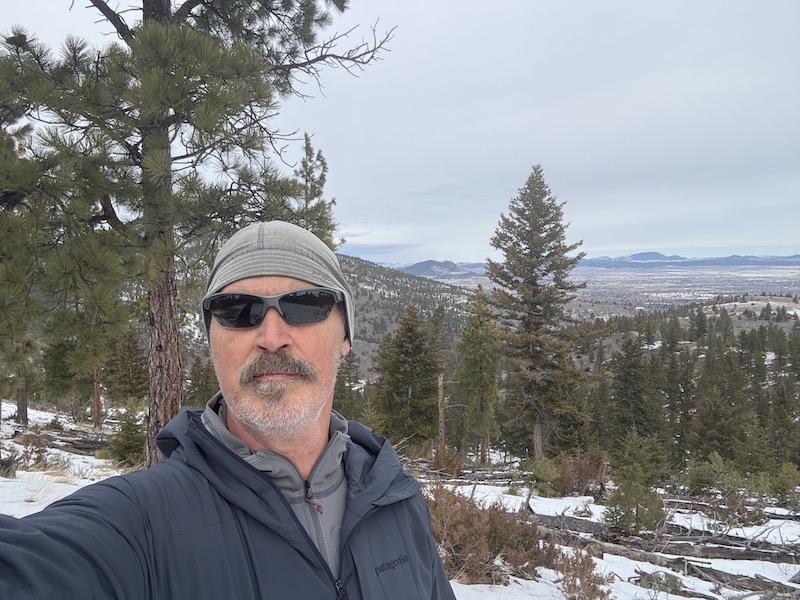
The jacket has good length, 19.5”, in size Large. It layers over a base layer nicely, and I was even able to wear it as a warm-weather puffy over a light base layer and thin mid-layer.
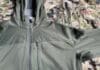
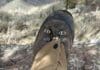
It’s a full-zip design (my preference in jackets), which allows easy on/off as well as good heat dumping. It only has one additional zipper, a decently sized chest pocket that doubles as a stuff sack for the jacket (see above pic).
Fabrics/Insulation
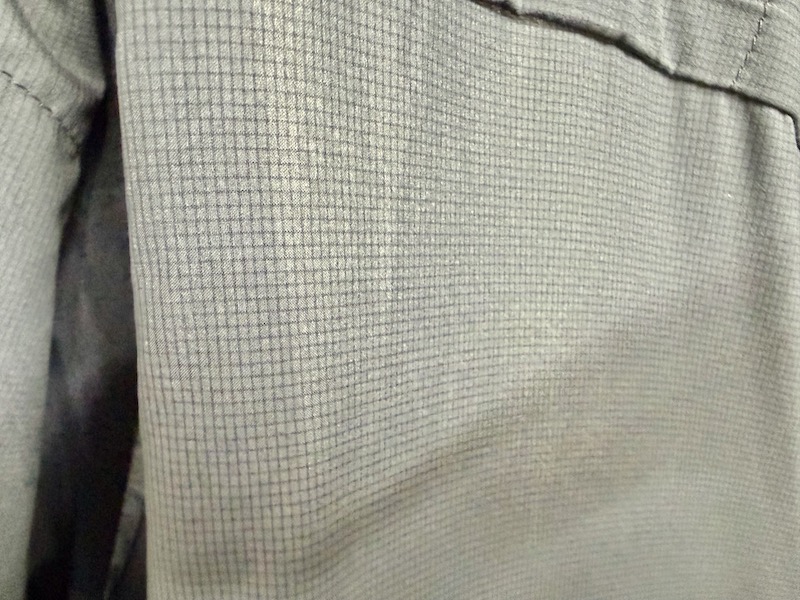
The jacket uses a lightweight nylon fabric (possibly 10D). There is an inner and outer fabric, and both are the same.
3DeFX+ insulation
Patagonia calls their insulation FullRange, but it’s actually Toray 3DeFX+ insulation. I’ve done a few reviews of other jackets using this from both Kuiu and Outdoor Vitals. I’ve been very impressed with this insulation for providing very good warmth for the weight. It also permits better heat retention when stretched.
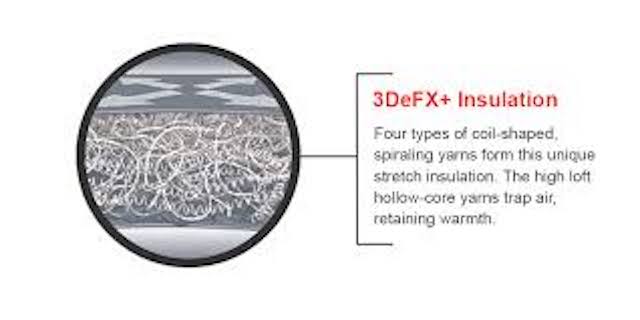
My discontinued Nano Air Lightweight hoodies utilize 60g/m2 of this insulation. The KUIU Kenai utilizes a combination of 90 g/m2 and 60 gm/2. The Outdoor Vital Ventus uses 40g/m2 insulation, and the Ventus uses 25 g/m2.
The Patagonia Ultralight only uses 20 g/m2. When you look this jacket over, you might think there is no insulation, but there is.
The Ultralight also utilizes a ~25×6” panel under the arms w/ just a single layer of fabric—no insulation. The pic doesn’t clearly show it, but it’s thin enough that light shows through the single layer. This helps with dumping heat.
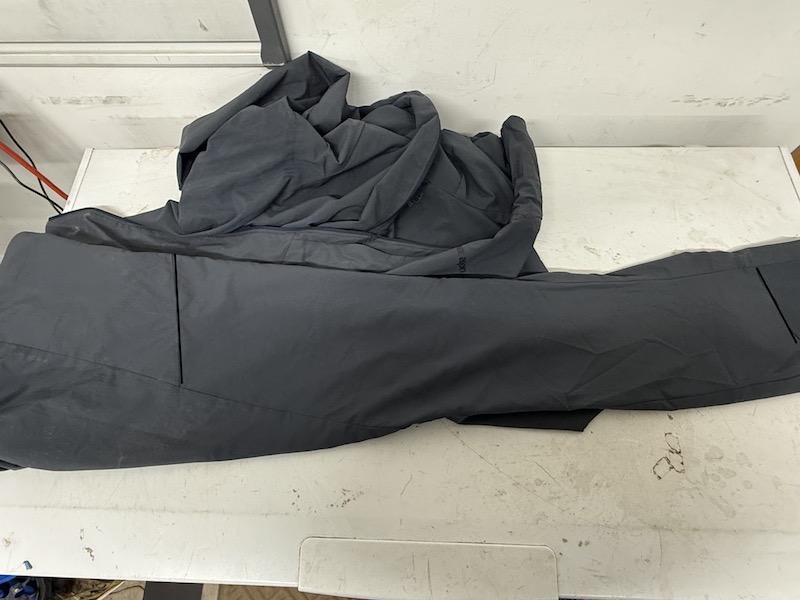
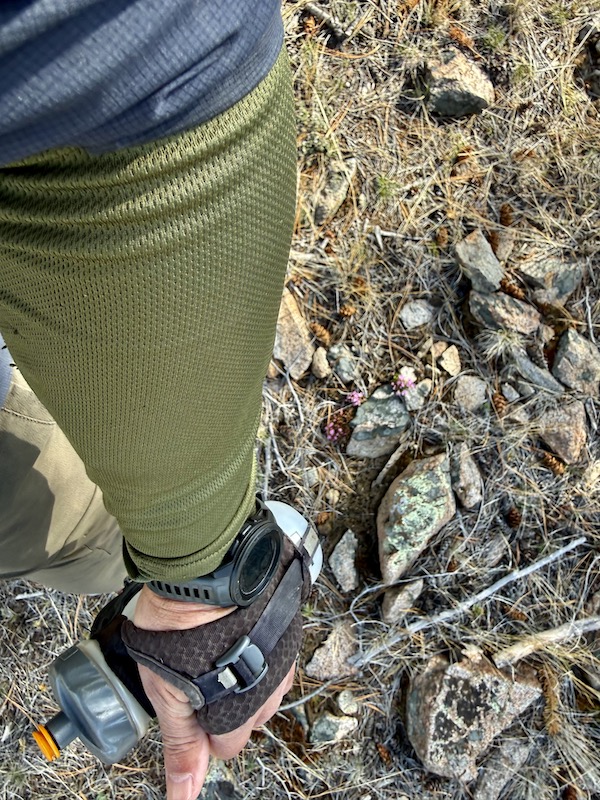
The lower arms have a stretchy fabric that allows them to be pulled up to dump even more heat.
My Use
I’ve used this jacket extensively over the last two months hiking our local single track trails, some of our local mountains, and a backpacking trip in Arizona.
Discussion
I’ve found that this jacket is best in temperatures from ~ 25° to 45°. You can reduce this temperature range if your activity is high aerobic stuff—snowshoeing, trail running, cross-country skiing, etc.
While two light fabric layers that sandwich the insulation provide some protection from the wind, it is still a highly breathable piece and a far stretch from a wind layer. The same can be said for its water resistance; it has a decent DWR finish, but is only effective in light precipitation.
Of all the active insulation pieces I’ve reviewed, I recommend also having a lightweight wind layer to use when needed—this piece is no exception.
What I didn’t mention above when discussing the fabric is that it has a very soft hand—almost a brushed feel. This is important for hunting and particularly archery hunting.
The fabric also dries quickly. I don’t feel it moves moisture quite as well as the Alpha and Evolve variants, but for the weight, it provides more warmth.
While this was specifically designed as an active insulation layer, in warmer weather, it can be used as a static layer (puffy). I brought this piece just for that use on a recent backpacking trip in Arizona. When at camp at night and in the morning, I wore this jacket over a light base layer and thin “naked” Alpha layer and was plenty warm (temps in the 30’s).
I think this piece would serve well for folks hunting in early seasons and even mid-season, where a lot of climbing and other higher aerobic stuff is anticipated.
Comment or ask Mike questions here.