













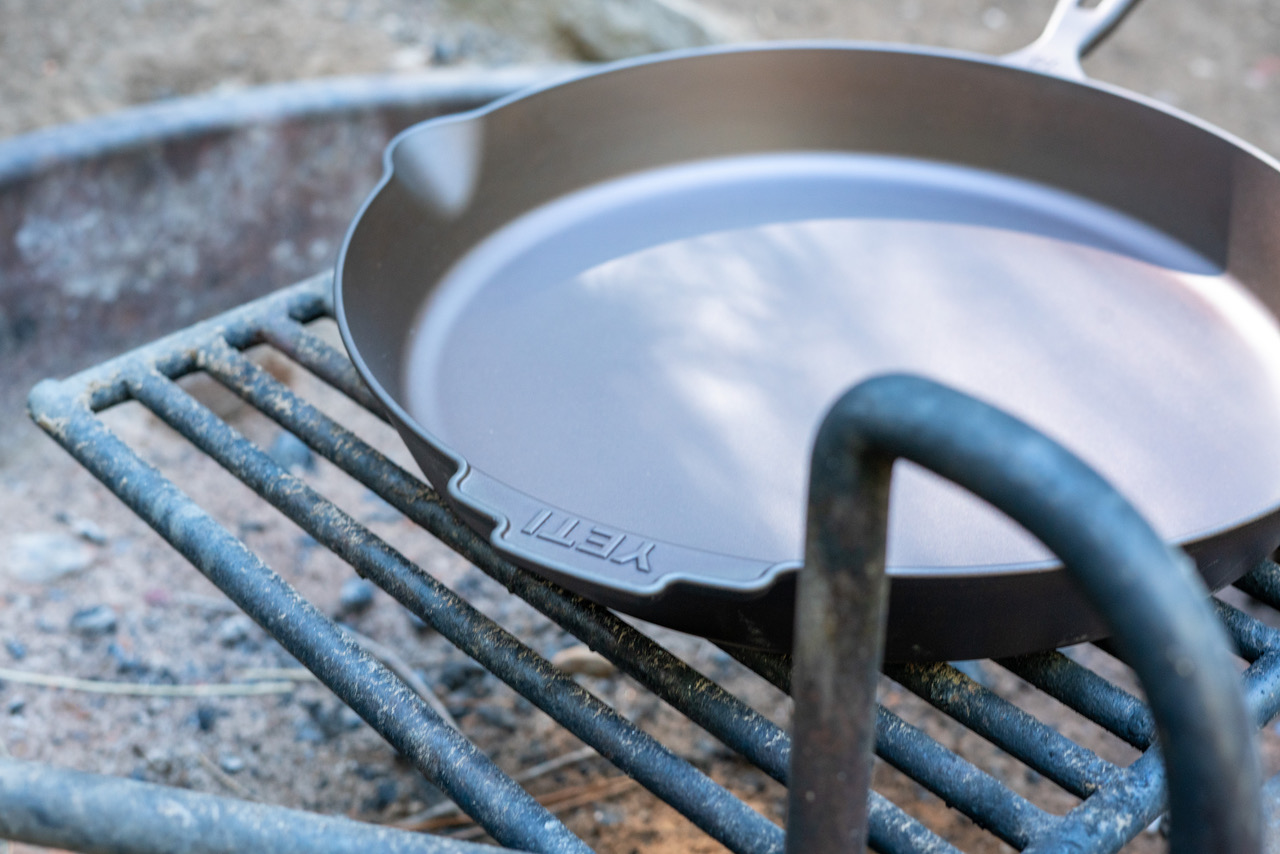
YETI has bolstered its Outdoor Kitchen lineup with a range of premium cast iron skillets (available in 8″, 10″, 12″, and 14″ sizes) and the innovative Rambler Insulated Bowls (in multiple capacities from 1 Qt to 4.5 Qt). After my hands-on testing the 12″ and 14″ skillets along with several bowl sizes over 2-3 months—both indoors and outdoor camp cooking—the skillets stand out as exceptional, heirloom-quality performers. The bowls shine in temperature retention for serving and transport but aren’t ideal as everyday mixing vessels.
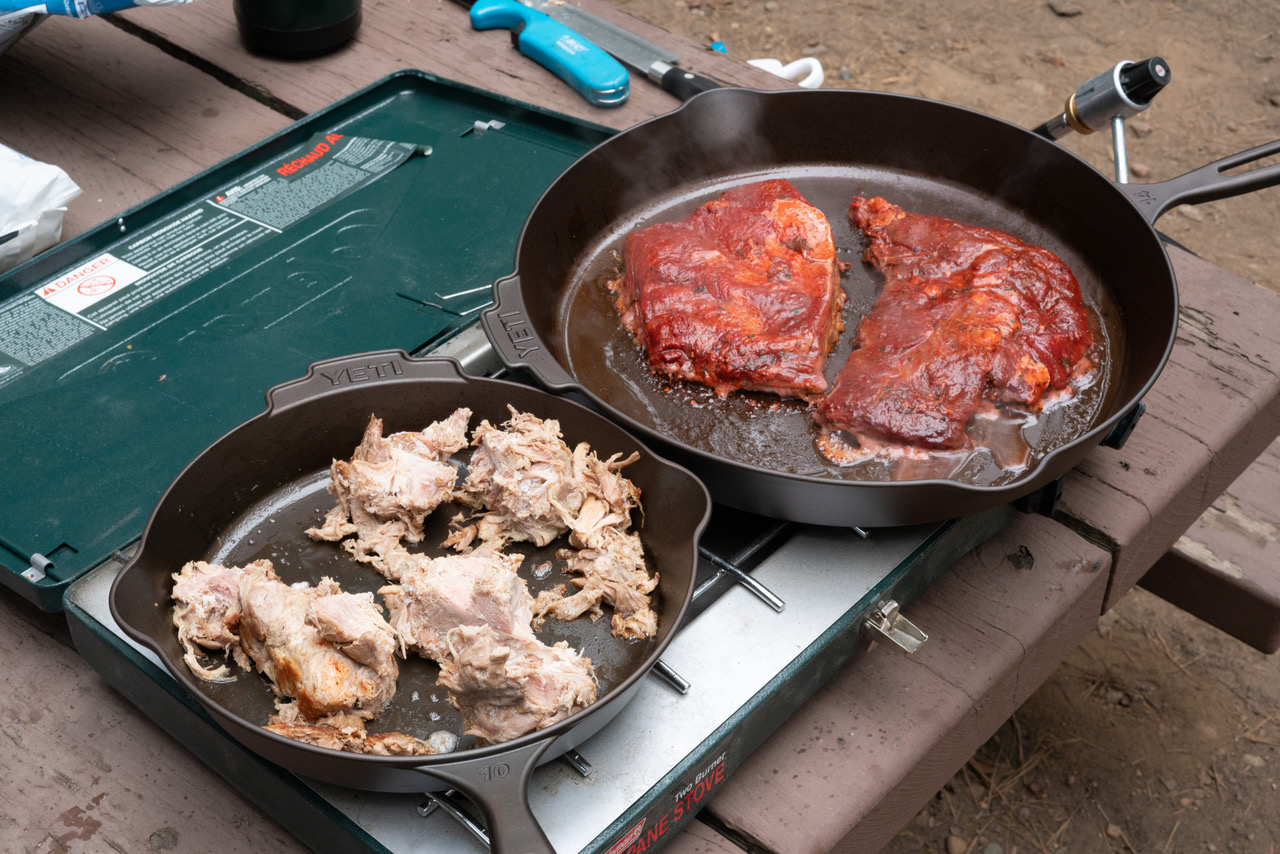
YETI Cast Iron Skillets: Premium Performance with Modern Refinements
These skillets are crafted using a ceramic mold process (inspired by YETI’s acquisition of Butter Pat Industries), resulting in an ultra-smooth cooking surface that’s pre-seasoned and naturally non-stick right out of the box. The finish develops an even slicker patina with use, rivaling high-end boutique brands like Smithey or Field Company, but with noticeably lighter weight compared to traditional options like Lodge. Current pricing 8”-$150, increasing by $50 per size ending at the 14”-$300
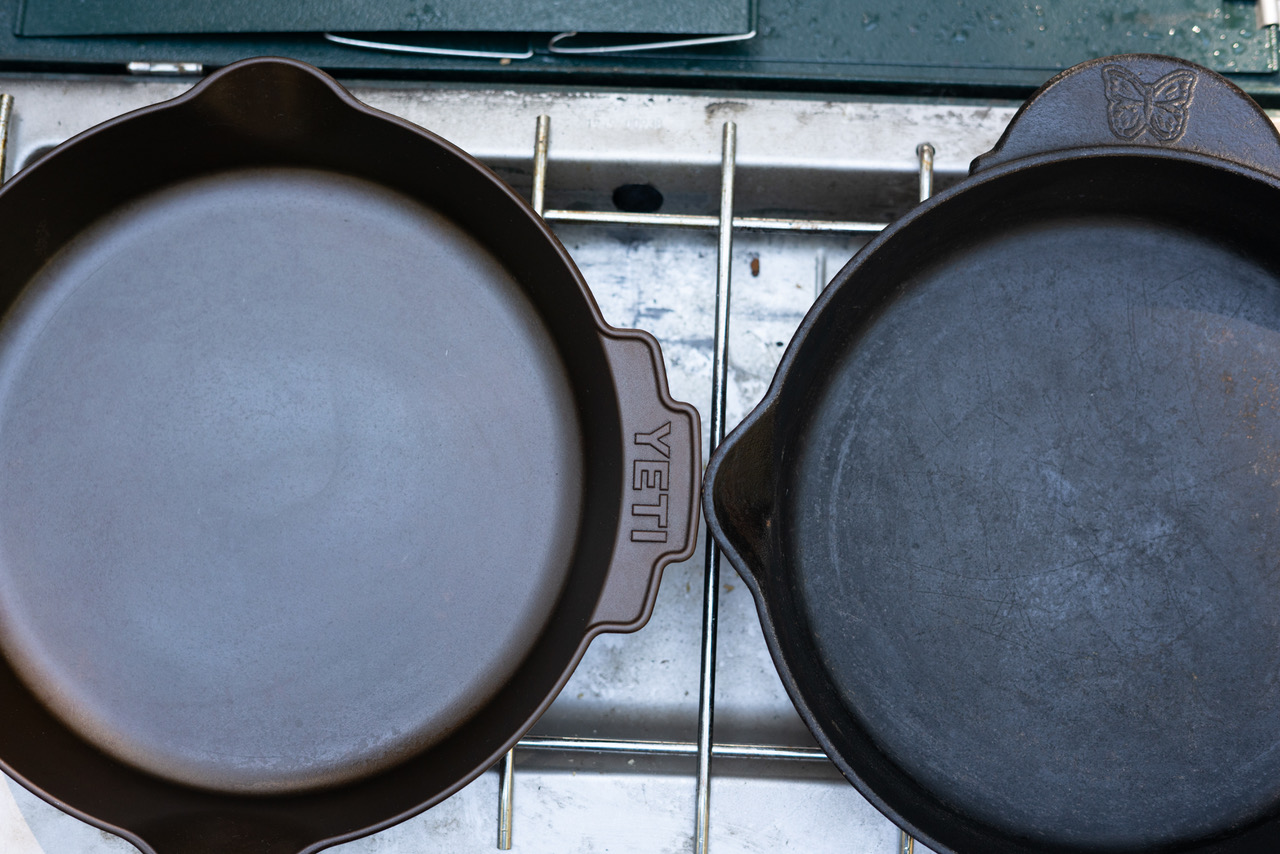
Many argue a $30-50 Lodge performs nearly as well for everyday tasks. However, I disagree as you get what you pay for. The YETI’s lighter build (12″ at ~6.9 lbs vs. Lodge’s 8+ lbs; 14″ at ~9.8 lbs) and balanced design make them easier to handle, especially when full or over a campfire. They’re thickest at the base for superior heat retention and even distribution, oven-safe up to 500°F, and compatible with all cooktops including induction. I went on a trip with a few friends who had other cast iron pans. At first, they mocked the YETI pans. By the end of day 2, they were seeing how much nicer of a pan they were and ended up buying one for themselves–that just speaks for itself.
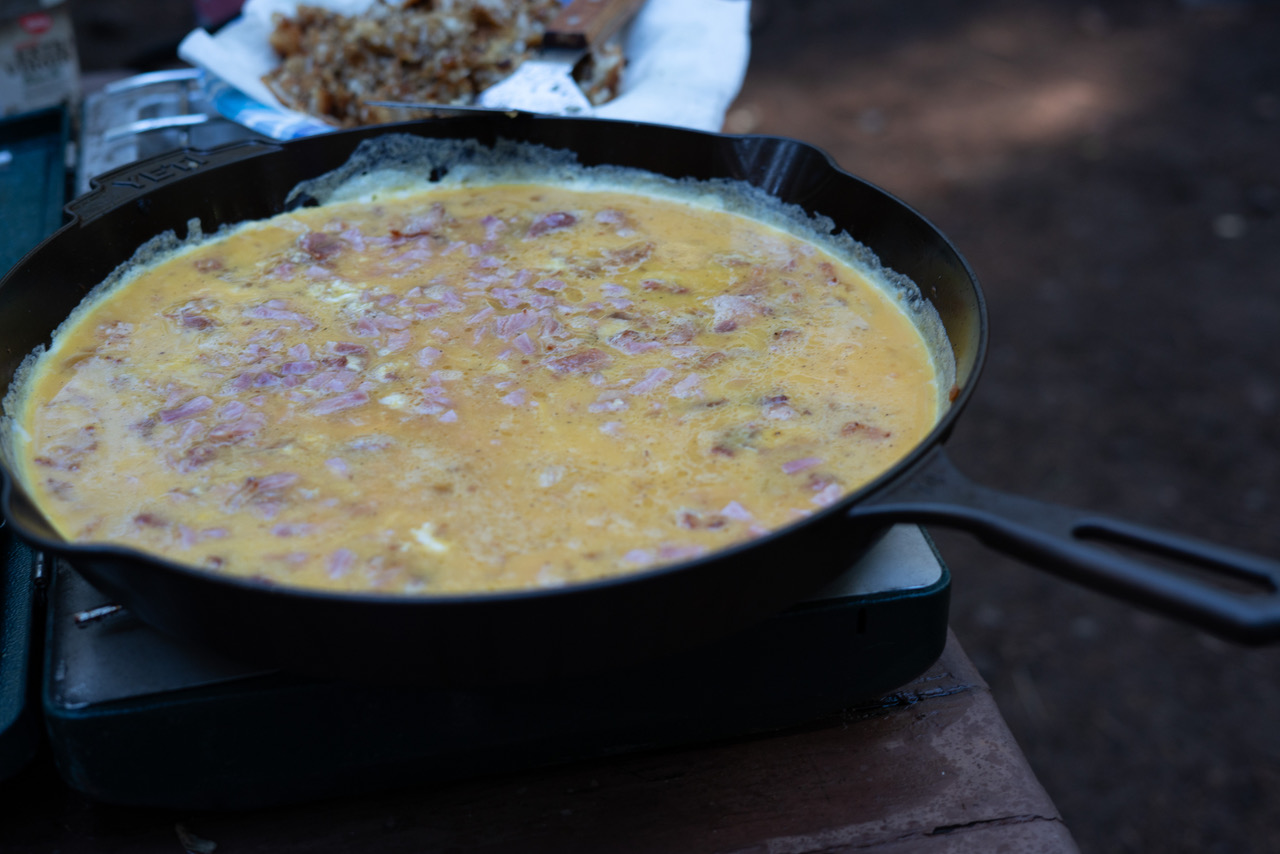
As with any cast iron, maintenance is key. Modern soaps are fine (no lye to strip seasoning like in old formulas), but YETI recommends hand-washing, thorough drying over low heat, and a light oil coating. Avoid dishwashers to preserve the seasoning.
Over extensive testing—searing ribeyes, whipping up stir-fries, baking cornbread, and roasting vegetables—the 12″ and 14″ excelled. The smooth surface allowed minimal oil use, effortless food release (eggs slid out perfectly after a few seasonings), and no noticeable hot spots. The lighter weight simplified pouring, flipping, and maneuvering. Campfire use proved durable: no warping, though minor cosmetic mottling can appear initially (it fades with time and use).
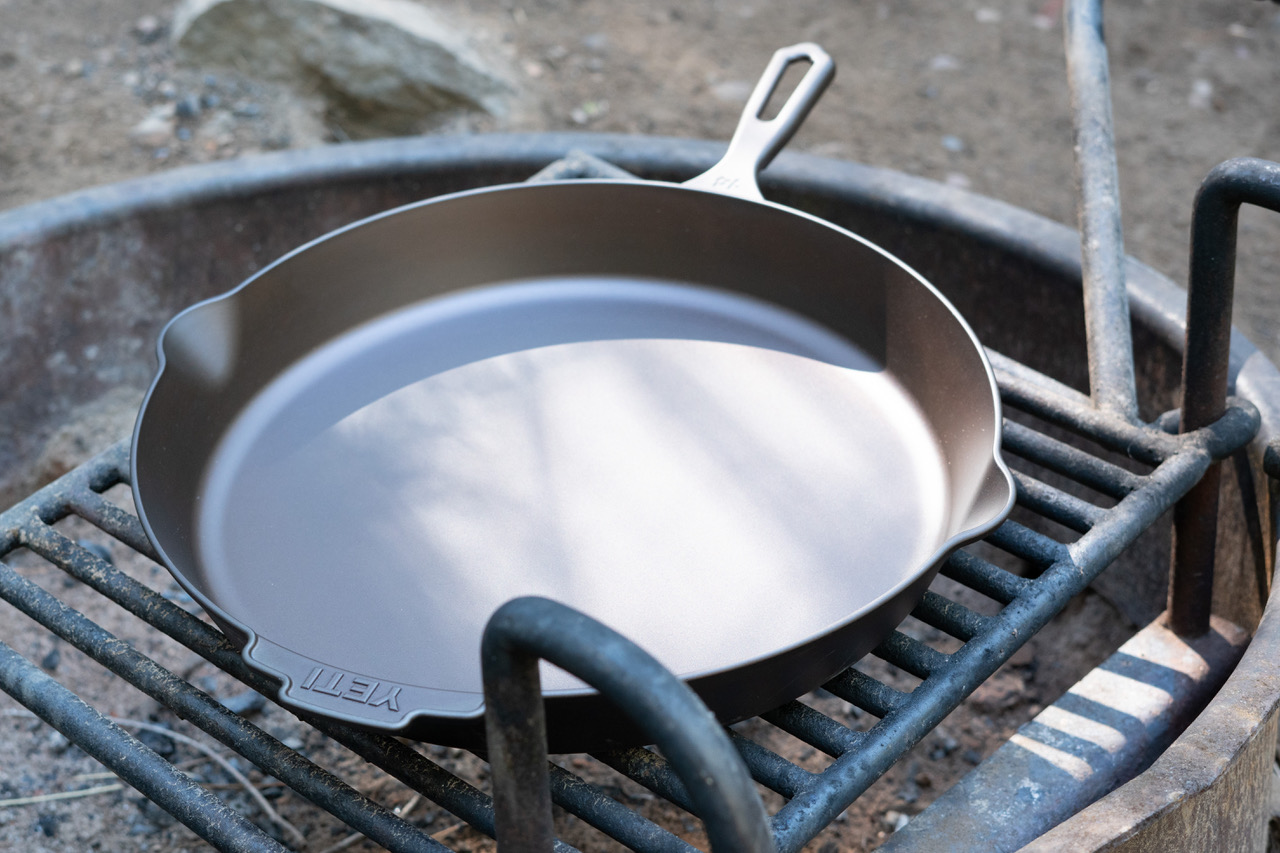
These are built to last generations, making them a worthwhile investment for serious home cooks or outdoor enthusiasts who value ergonomics and finesse alongside raw performance.
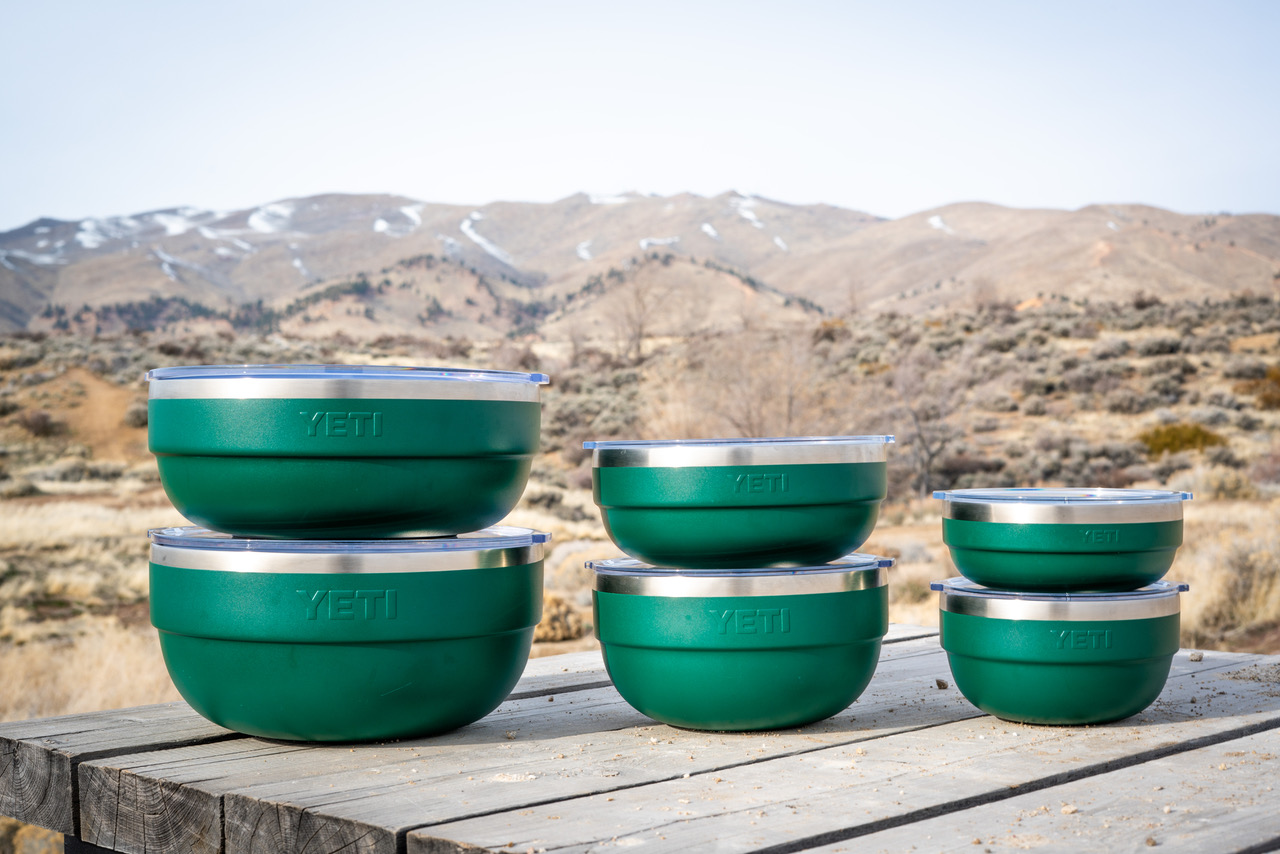
YETI Rambler Insulated Bowls: Masters of Temperature Retention
Constructed from double-wall vacuum-insulated 18/8 stainless steel with shatter-resistant Tritan lids, these bowls come in various sizes (e.g., 1 Qt, 2 Qt, 4.5 Qt) and shapes (standard deeper profile or low/wide for serving). Priced from ~$35 for smaller models up to $70+ for the largest, they’re undeniably premium but deliver YETI’s signature durability.
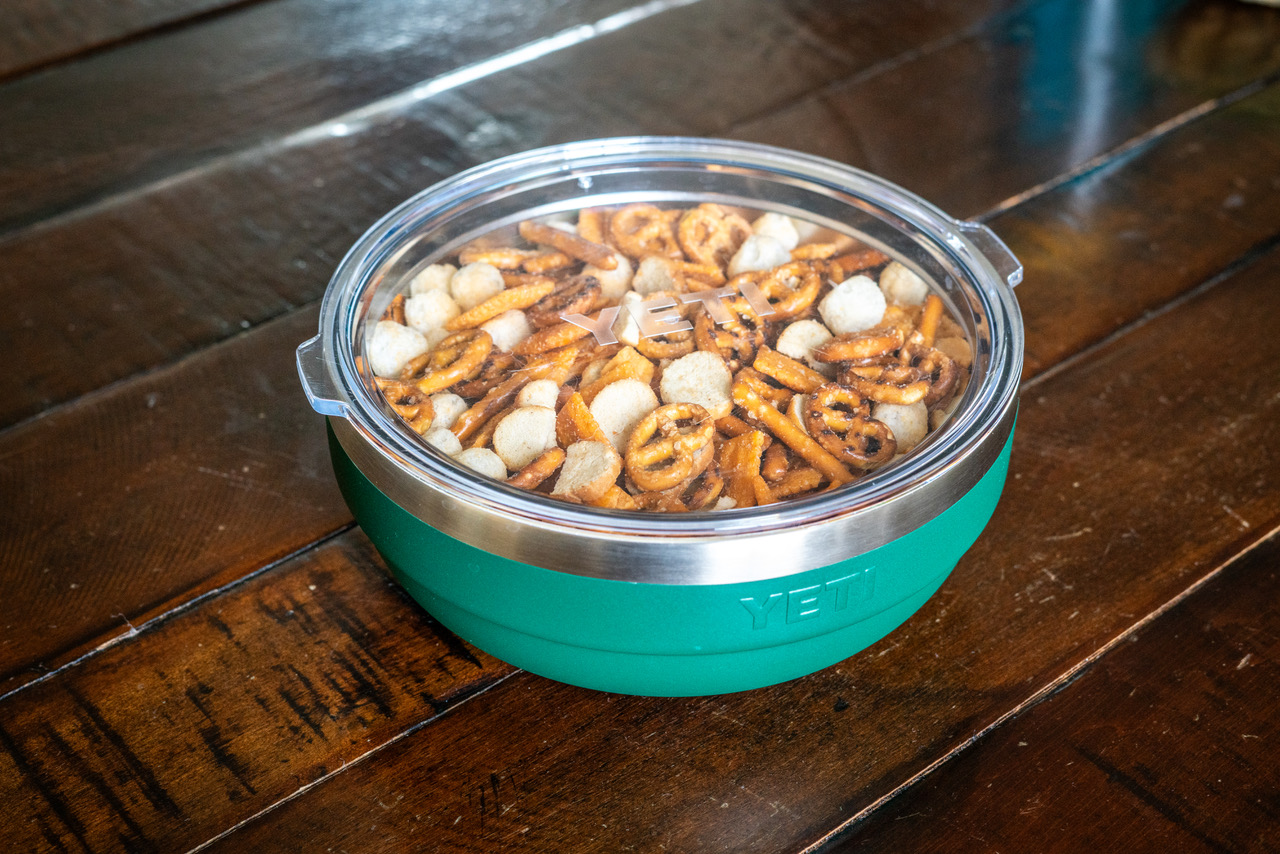
Hot sauces stayed warm during meal prep, freeing up stove space, while salads remained crisp for hours outdoors. Heat retention is what you are paying for; you just have to decide if it is worth it. They’re ideal for transport, with secure lids preventing spills on car rides, and their nesting design saves space. However, they’re not ideal for mixing due to curved interiors and a lack of a flat base. Only the larger bowls have a rubber non-slip pad. They can’t replace stainless steel bowls for your standard dinner prep. I have found these bowls best for outdoor cooking, transporting food, and for dips and salads.
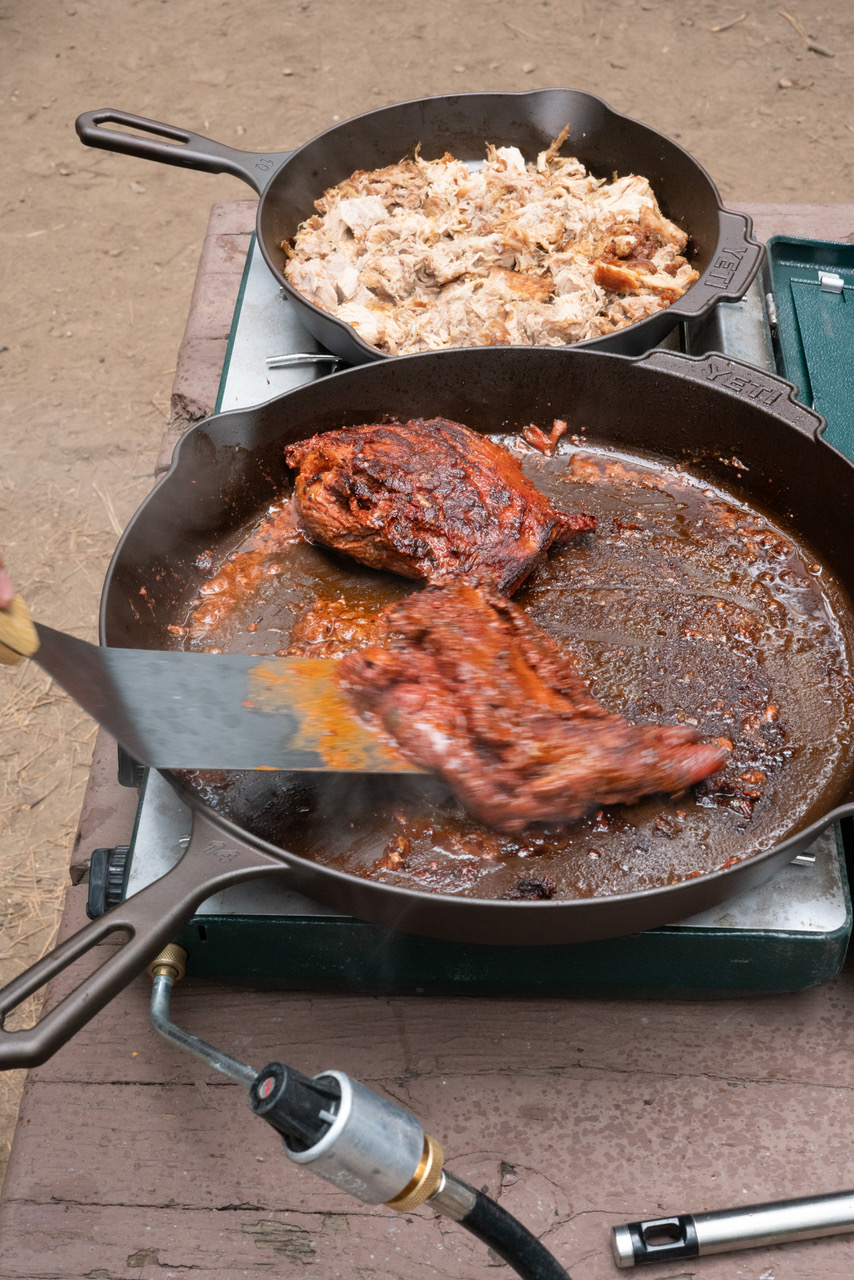
YETI’s 12″ and 14″ cast iron skillets are standout daily drivers, blending lightweight ergonomics, even heating, and a forgiving non-stick surface that elevates both indoor stovetop and campfire cooking. They’re heirloom-worthy for those willing to invest in refined performance.
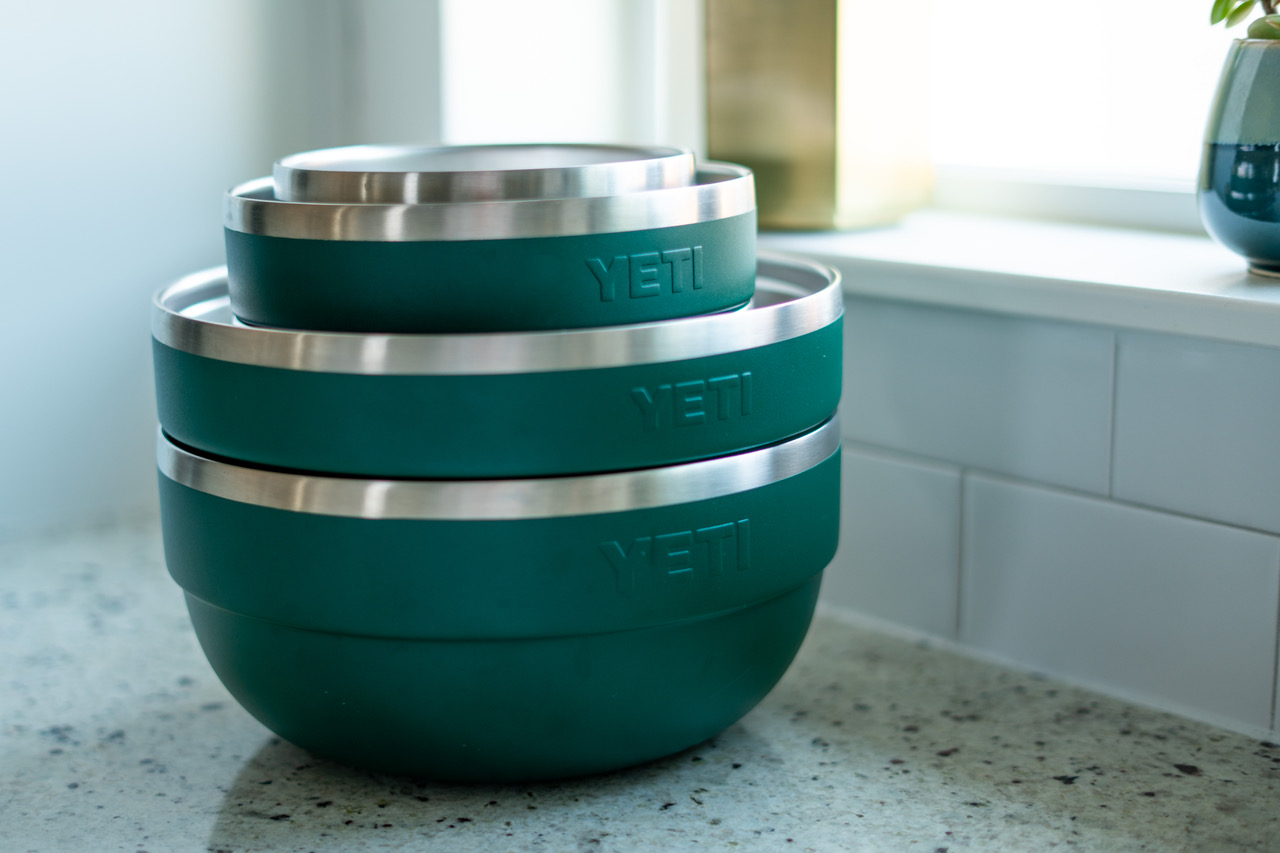
The Rambler Insulated Bowls are niche—unbeatable for maintaining hot or cold temps during serving, transport, or extended meals outdoors—but they won’t fully replace your stainless steel mixing bowls in your kitchen.
Comment or ask Travis questions here.