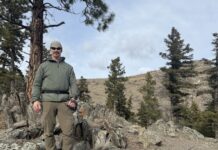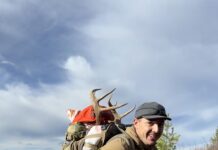
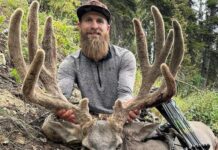
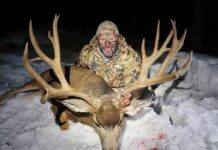


I’ll be the first to admit that I prefer early-season weather over late-season weather—mostly because I can’t stand being cold. However, you can’t deny the unmatched opportunities that November brings for chasing bucks. It’s the time of year when deer movement skyrockets, mature bucks are up in broad daylight, and every sit feels like something could happen at any moment. Whether you’re slipping through timber, glassing open country, or settled into a stand, November offers a level of excitement and potential that’s hard to beat. That’s why it’s crucial to have the right gear so you can get out there and fill those tags. First Lite came out with the North Range Puffy coat to do just that.
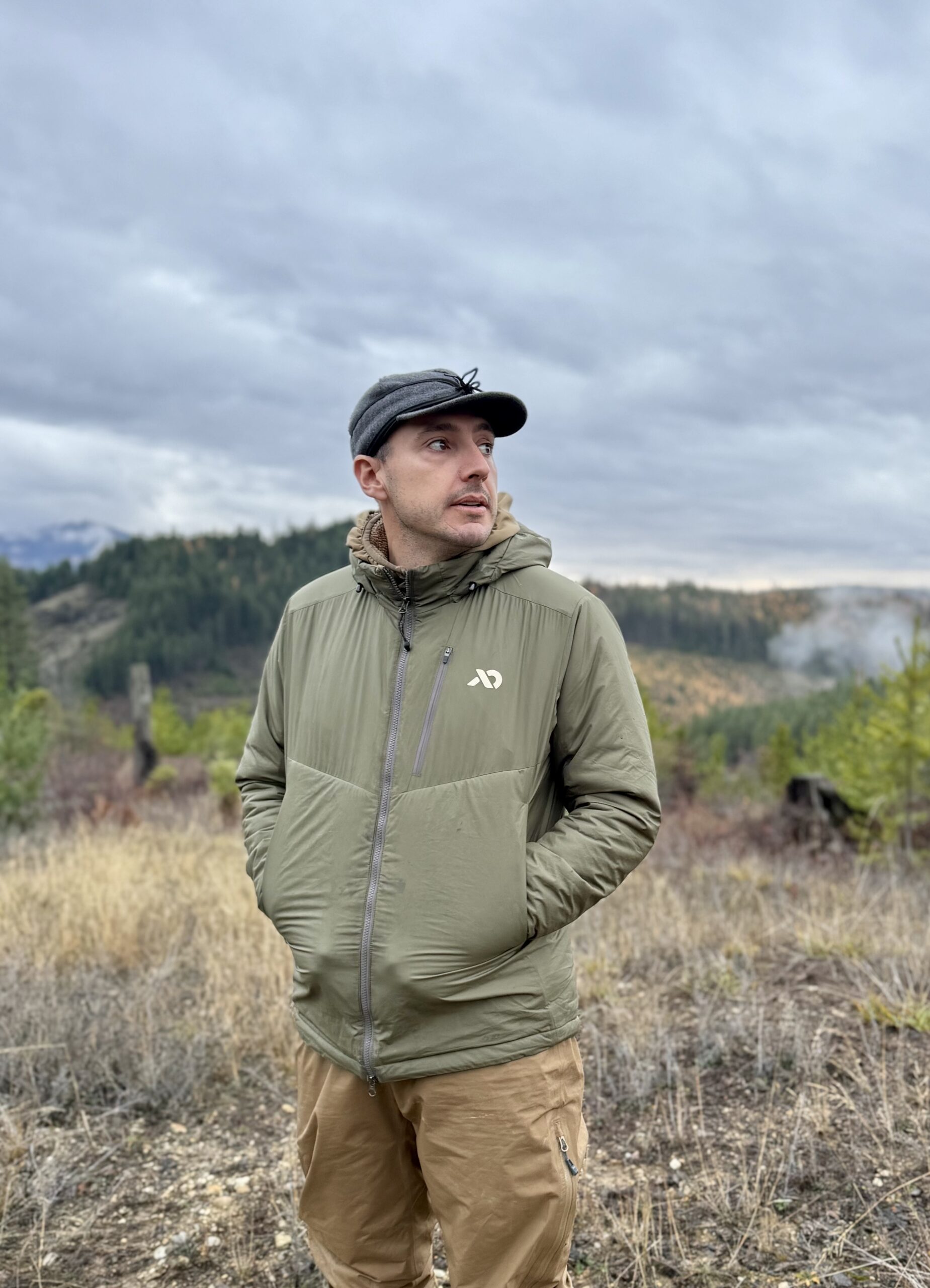
First Lite North Range Puffy
I have been wearing the original Uncompahgre since it was released way back in the early 2010s; right away I could tell that the North Range was going to be much warmer. Built with 133 GSM (grams per square meter) of PrimaLoft Gold Synthetic insulation, this puffy jacket really retains the heat.
Size and Weight
Overall weight (size L) is 23oz (original Uncompahgre is 20oz), and it packs up to just slightly bigger than the original Uncompahgre. 30D ripstop face fabric treated with a DWR provides the right amount of durability and sheds light rain and snow with ease.
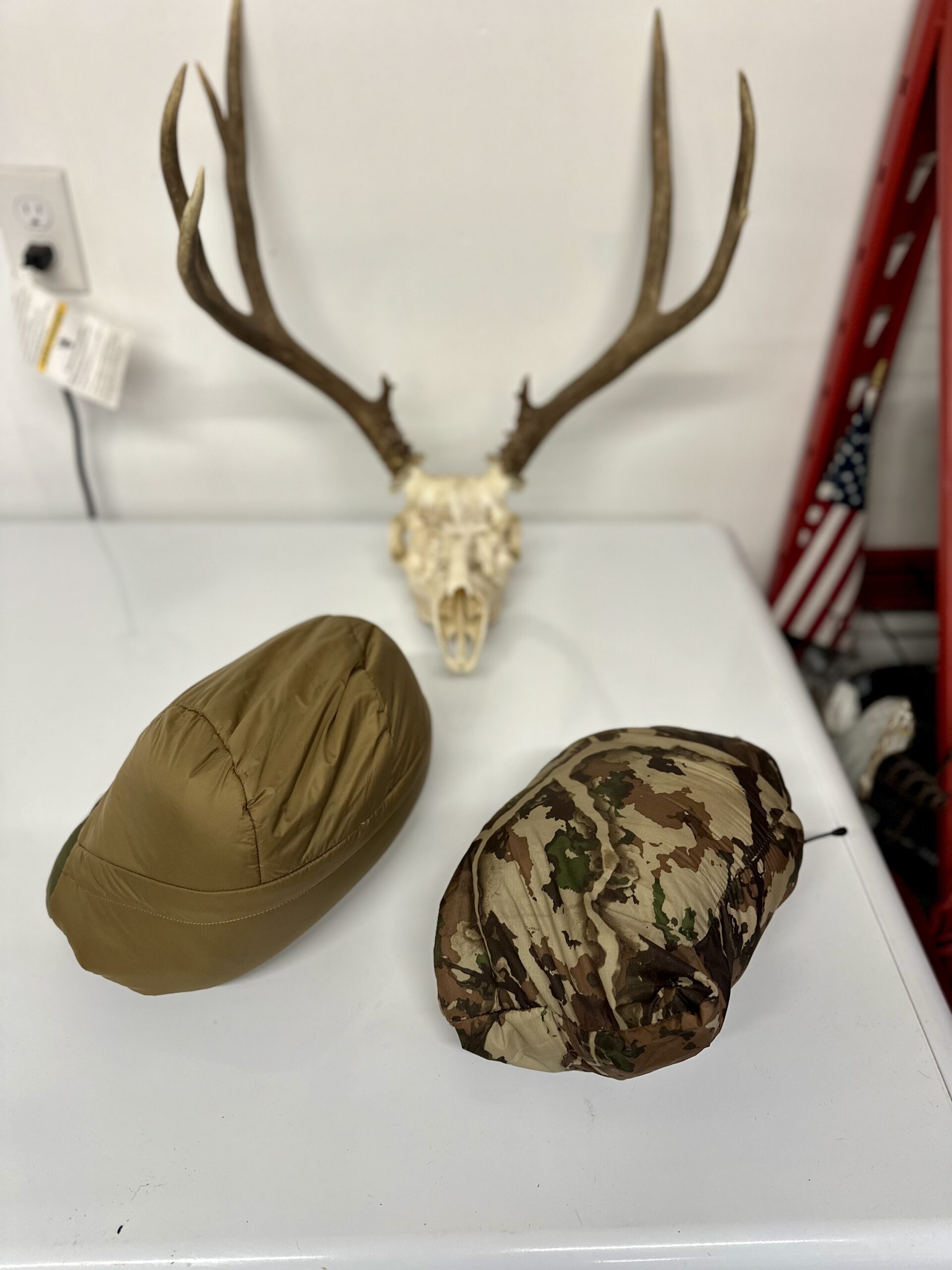
Pockets
The two “high hand pocket” design was a little off-putting at first, but turned out to be nice when you have a backpack belt on. They remain usable this way, even with a bino harness. The zippered chest pocket is plenty large enough, and the interior mesh pockets are great for storing gloves and a beanie when you go inside.
Hood and Zipper Design
The hood design is perfect. Not too big, and you can seal it tight in adverse weather if needed. The two-way zipper is not something I am sold on, as it came up an inch or two a few times. It was not a big deal, but it caught my attention as a negative. I could see the benefit if you needed to dump heat quickly; however, I would prefer that it either have a stiffer zipper or not be able to zip up from the bottom.
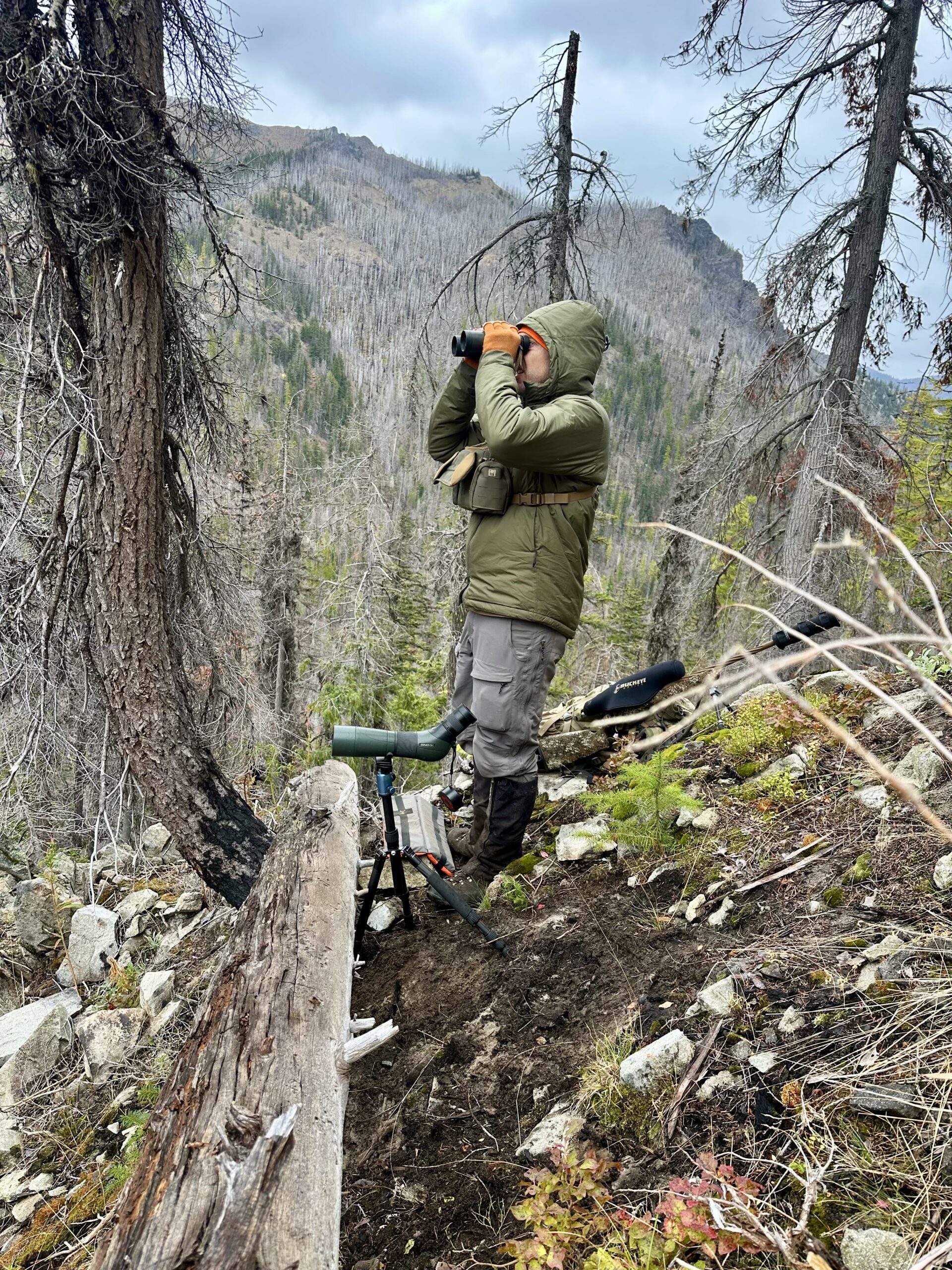
Field Use
Let’s get to the real-world experiences. I first wore this puffy on a pack-in hunt in late October. I was right at the snowline, with temps hovering around freezing. I’m no stranger to hiking to my glassing knob, throwing on a puffy, and spending hours behind the optics—and that’s exactly what I did for several days. It performed exactly as expected, handling light rain, snow, and wind without issue.
Next up for this coat was riding a four-wheeler several miles each morning on a mid-November deer hunt. This is where it shined, completely cutting the wind. Once I reached my parking spot, I could either keep the coat on while glassing or throw it in my pack and start hiking. Even after getting a little wet one morning on the ride in, the insulation still performed, and I didn’t notice any reduction in warmth.
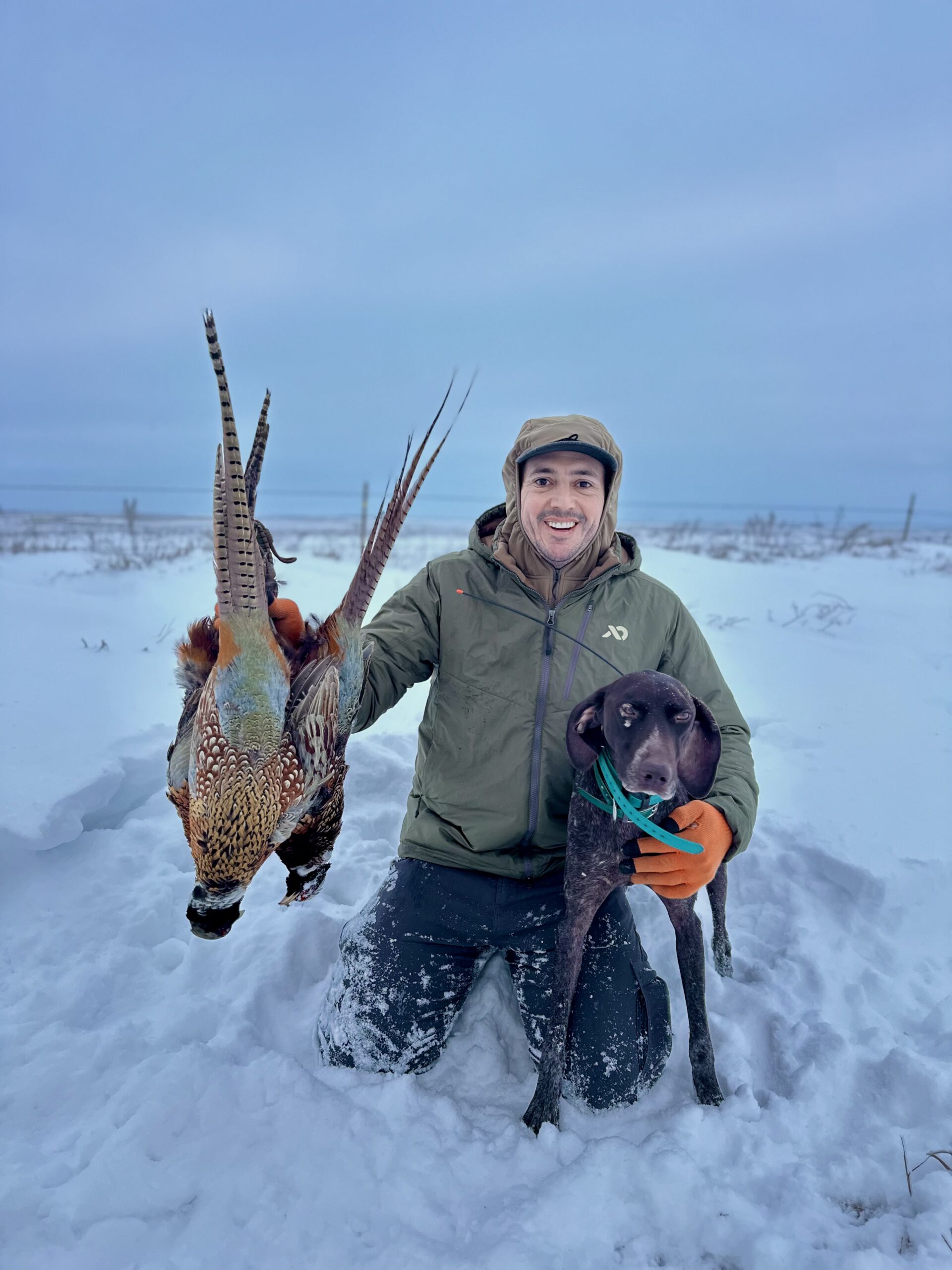
Great For Pheasants in December
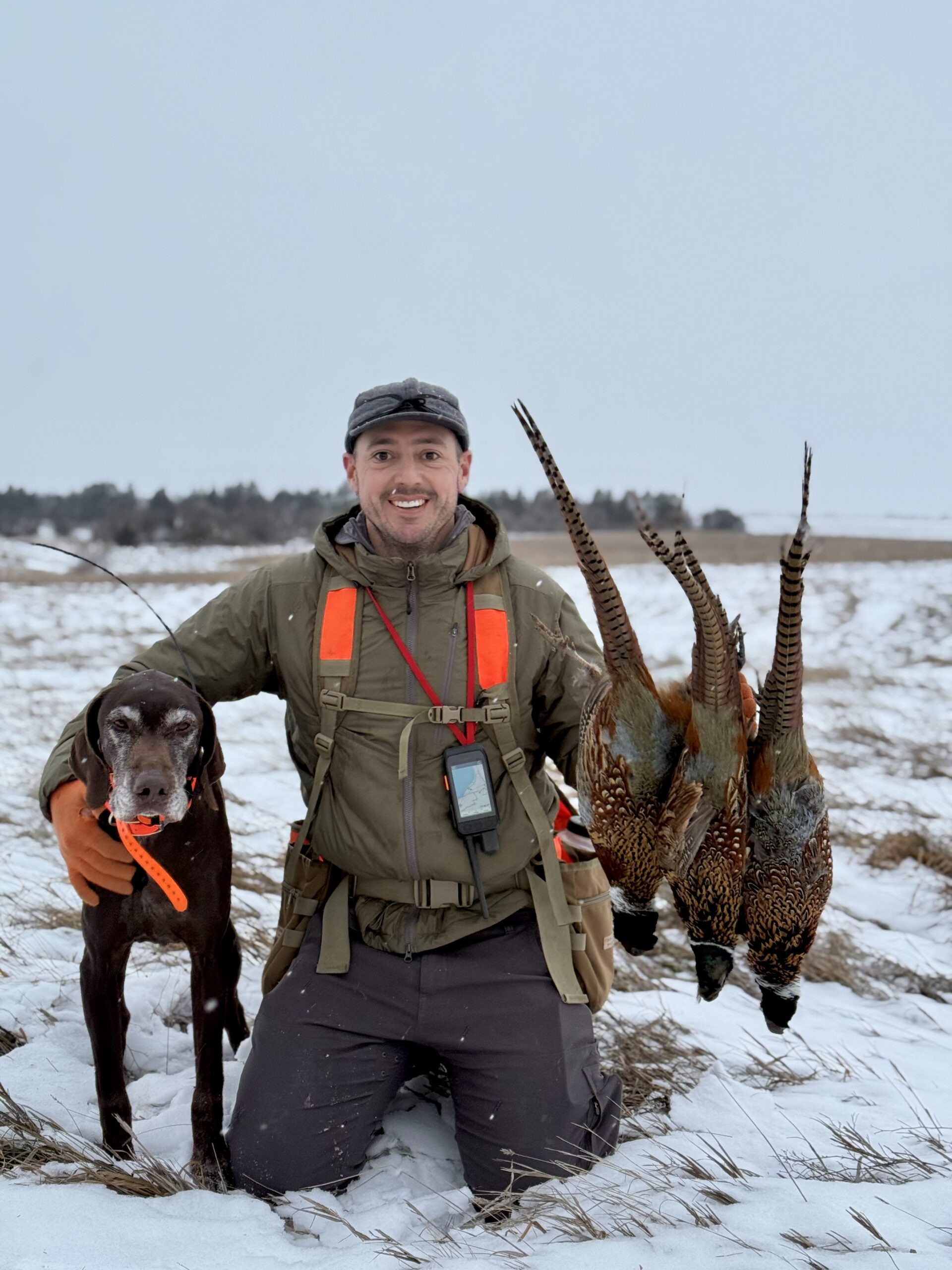
I also wore it on an early December South Dakota pheasant hunt, where temperatures ranged from below zero to single digits. I was a little concerned about overheating while busting through cattails, but that turned out to be a non-factor. The coat cut the wind chill and kept me in the field at –11°F. With a solid range of time in the field, I can confidently say this jacket will replace my Uncompahgre in the future.
Conclusion
In the end, the First Lite North Range Puffy delivers exactly what a late-season hunter needs: dependable warmth, real weather protection, and the versatility to handle everything from long glassing sessions to miles on a quad or pushing through frozen cattails. After putting it through a wide range of conditions across multiple hunts, it’s clear that First Lite built this coat for hunters who refuse to let brutal weather shorten their days afield. If staying warm means staying effective, the North Range has more than earned its place in my system.
Comment or ask Brock questions here.